This post may contain affiliate links. If you purchase with one of these links, I receive a small commission at no extra cost to you. Read the full affiliate policy.
You know that feeling. The one that creeps up mid-run, starts as a minor irritation, and escalates into a full-blown inferno by the time you hit the shower? If you’ve ever stepped into the shower after a run and yelped when the water hit your skin, this one’s for you.
How to prevent chafing while running is a lesson my body taught me long before I ever laced up a pair of running shoes. Every beach vacation used to come with a silent countdown. I avoided long walks on the beach because I knew exactly what was waiting for me: chafed thighs so raw I couldn’t put on a dress that night without walking like a cowboy.
Then I started running, and I actually thought leggings would protect me. They didn’t. Chafing showed up in spots I didn’t even know were possible.
This post is all about how to prevent chafing while running, so you can focus on the miles, not the misery.
Understanding Chafing While Running
Chafing is more than just an annoyance; it’s a friction-induced skin injury. It happens when your skin repeatedly rubs against itself or against fabric, creating microscopic tears in the outer layer of your skin. Add in heat and moisture (hello, sweat!), and you have the perfect recipe for redness, stinging, and raw irritation that can make even the most seasoned runner wince.
Runners are particularly susceptible because of the repetitive motion, constant skin-on-skin contact, and the inevitable sweat that accompanies every stride. This combination turns friction into a painful burn that can linger for days and derail your training. But the good news is, chafing is almost entirely preventable with a few smart strategies.
Chafing shows up in a few predictable spots once your body starts moving the same way for 30, 60, 90 minutes straight. The fix is almost never “just push through it.” It’s usually one small change in fabric, fit, or prep.
Best Ways to Prevent Chafing While Running
1. Preventing Chafing Between Your Thighs
This is where my chafing story began, long before running entered the picture. And it’s arguably one of the most common spots for runners to experience irritation. The constant rubbing of skin-on-skin, especially exacerbated by sweat, can turn a great run into a painful hobble.
I didn’t find out about anti-chafe balm until last year, while training for my half marathon. It’s been huge for me. A quick swipe before I head out the door and my thighs stop paying for it later.
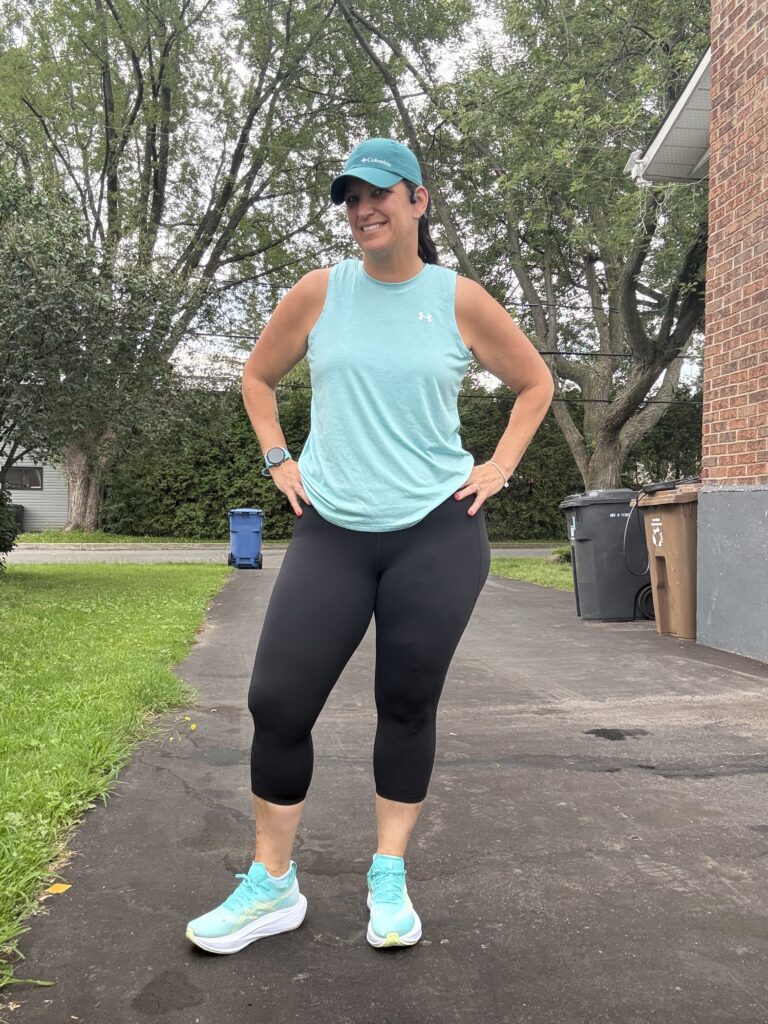
The other half of the fix was simply refusing to run in uncomfortable clothes anymore. If something rides up, rolls down, or rubs the wrong way in the store mirror, it’s not making it into my running rotation. For me, that means investing in high-quality running leggings or shorts that stay put. Lululemon Fast and Free Leggings are a solid option here. They come in extended sizes and they’re built not to roll down mid-run, which matters more than people think once your thighs are moving against each other for miles.
Other things curvy runners often reach for here:
- Longer inseam running shorts instead of the standard 3-inch cut, which can prevent skin-on-skin contact.
- Anti-chafe balm applied before you head out the door, creating a slippery layer that reduces friction.
2. Stopping Chafing Under Your Sports Bra Band
Ah, the sports bra. It’s a runner’s best friend for support, but sometimes a secret enemy for comfort. I actually have a bra I love. The support is great, the fit looks right, everything checks out on paper. But it chafes me every single time, so I don’t wear it anymore, no matter how much I want to.
That experience taught me that “supportive” and “comfortable on your skin for an hour straight” are two different things, and a bra needs to prove both before it earns a spot in my rotation. A poorly fitting sports bra, whether too tight or too loose, can dig into your rib cage or allow too much movement, leading to irritation.
The Brooks Crossback 2.0 Sports bra is the one that’s passed that test for me. It’s built for support without a band that saws into your skin mile after mile. When choosing a sports bra, prioritize:
- Proper Fit: Get professionally fitted if possible. The band should be snug but not digging in, and the straps should feel secure without causing pressure points.
- Moisture-Wicking Fabric: Look for bras made from synthetic materials like polyester or nylon that pull sweat away from your skin, rather than holding it against you.
- Seamless Design: Seams, especially those on the band or under the arms, can create friction points. Opt for seamless construction or flatlock seams to minimize rubbing.
- Consider Encapsulation: If you have a larger chest, encapsulated (divided) cups can help prevent skin-on-skin rubbing and provide better support.
If you want the full rundown of every bra I’ve actually run in, The Best Supportive Sports Bras for Curvy Runners breaks down nine I’ve tried and tested.
3. Tips for Preventing Nipple Chafing
Nipple chafing, sometimes called “jogger’s nipple,” is a common and often painful issue, particularly for men, but can affect anyone. It occurs when a shirt’s fabric repeatedly rubs against the nipples, especially in wet or cold conditions, leading to redness, irritation, and even bleeding.
While I haven’t personally experienced this, expert runners consistently recommend preventative measures. Moisture-wicking fabric matters a lot here, as damp cotton can act like sandpaper. The Lululemon Swiftly Tech Tank/Tee is worth trying if you haven’t already; it’s built specifically to move sweat away from your skin instead of holding it against you.
Other effective strategies include:
- Nipple Guards or Tape: Small adhesive bandages or specialized nipple covers like NipEAZE can create a protective barrier. Apply them to clean, dry skin before your run.
- Anti-Chafe Balm: A generous application of anti-chafe balm directly to the nipples can significantly reduce friction.
- Compression Layers: For men, a fitted, moisture-wicking base layer can sometimes provide enough protection to prevent direct fabric-on-skin contact.
4. Addressing Chafing Around Your Waistband
Chafing around your waistband can be incredibly frustrating, often occurring where your running shorts, leggings, or even a running belt rubs against your skin. This can manifest as a leggings issue, a running belt issue, or both, leading to irritation on your hips, lower back, or stomach.
If your leggings constantly roll down or bunch up, or if the waistband itself has rough seams, it can create a hot spot. Similarly, if you carry a hydration belt or handheld bottle on longer runs, check where the strap or belt sits. The key here is to minimize movement and friction.
Here’s how to tackle waistband chafing:
- Properly Fitted Apparel: Choose running bottoms with a smooth, wide waistband that sits comfortably without digging in or slipping. Seamless waistbands are a big plus.
- Moisture-Wicking Material: Just like with other areas, moisture-wicking fabrics help keep the area dry, reducing the abrasive effect of sweat.
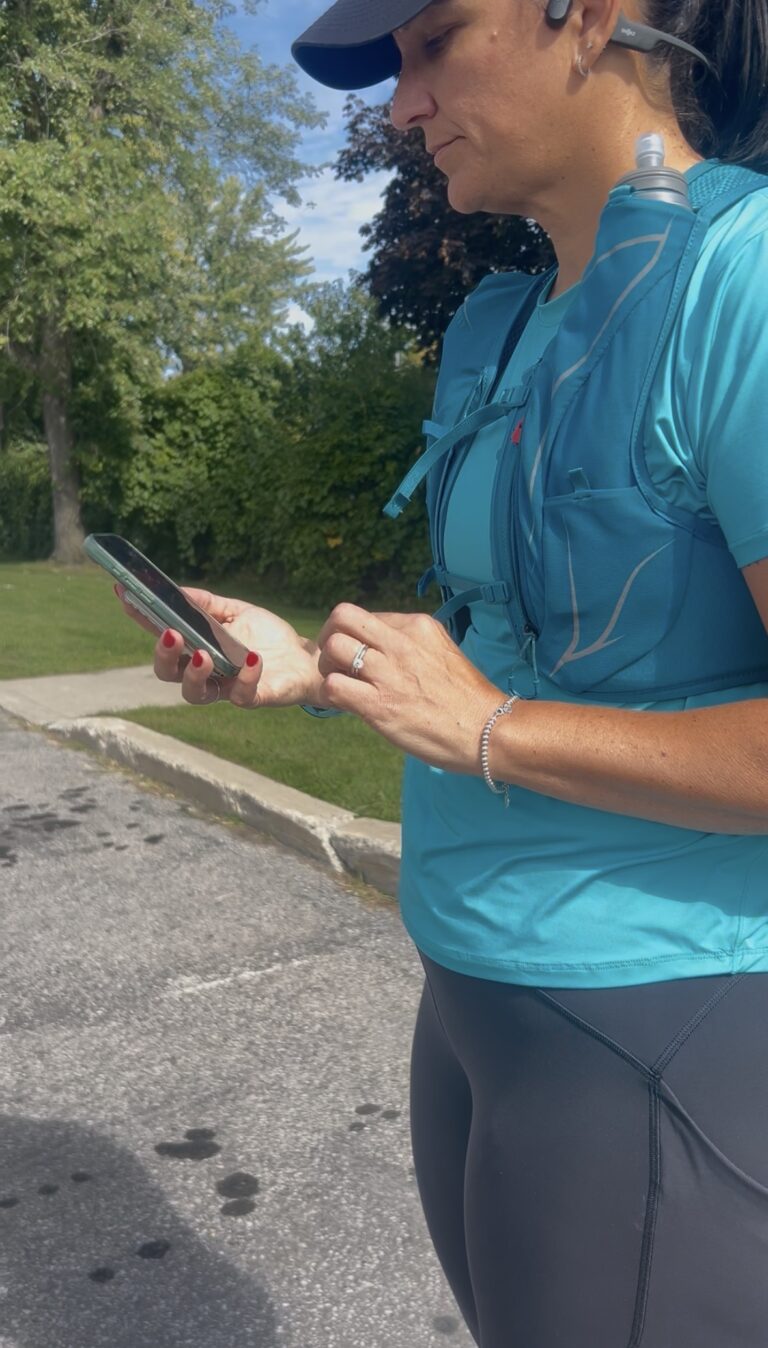
- Secure Your Gear: If using a hydration belt or running pack, ensure it’s tightened correctly so it doesn’t bounce or shift excessively. Less movement means less chafing.
- Apply Anti-Chafe Balm: Swipe a layer of anti-chafe balm around your waistline, especially where your gear sits or where you’ve experienced chafing before.
How Much Water Do You Actually Need On Your Runs has more on choosing between a belt, a vest, and a handheld depending on your run length. Proper hydration can also reduce the salt concentration in your sweat, making it less irritating.
5. Essential Anti-Chafe Products Worth Keeping On Hand
Anti-chafe balm is the one product I now consider non-negotiable before any run over a few kilometers. I wish I’d known about it years before my half marathon training, honestly. It goes on in seconds and saves you a very unpleasant shower later.
There’s a wide array of anti-chafing products designed to create a protective barrier on your skin, reducing friction and repelling moisture. They come in various forms, each with its own advantages:
- Balms and Sticks: These are popular for their mess-free application, similar to deodorant. They create a smooth, invisible barrier. Brands like Body Glide and Megababe Thigh Rescue are highly regarded for their effectiveness on thighs, underarms, and other skin-on-skin areas. They often use plant-based waxes or silicone-based formulas that are breathable and non-staining.
- Creams and Gels: Products like Chamois Butt’r or Monistat Chafing Relief Powder Gel are applied by hand and can offer long-lasting protection, especially in high-friction zones.
- Petroleum Jelly (Vaseline): A classic and affordable option that works in a pinch by creating a slippery layer. However, it can be occlusive (trapping heat and moisture), may stain technical fabrics, and wears off faster than purpose-made products. Use sparingly and be aware of potential fabric issues.
- Antiperspirant/Deodorant: Believe it or not, some runners find success applying antiperspirant to areas like inner thighs or underarms to reduce sweat and thus friction. Just be sure to use an unscented version to avoid irritation.
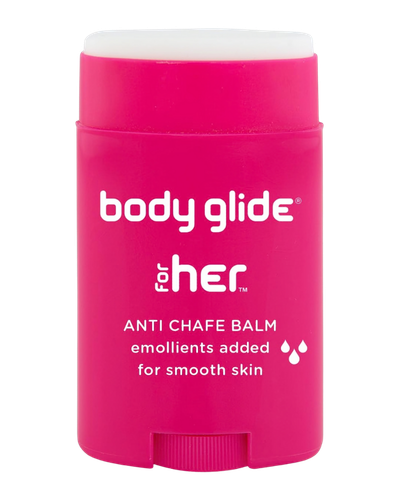
For me, I’ve found Body Glide for Her to be the most reliable for consistent protection without feeling greasy or sticky. It’s the one thing that truly transformed my long runs from dread to delight.
Post-Run Chafing Care and When to Seek Medical Attention
Even with the best prevention strategies, sometimes chafing still happens. When it does, proper care is crucial to soothe irritated skin and prevent further complications like infection.
Immediate Post-Run Care
- Lukewarm Shower: As tempting as a hot shower might be, scalding water will only make the burning sensation worse. Opt for lukewarm water and a mild antibacterial soap.
- Gentle Cleaning: Gently lather the affected area to remove sweat, salt, and any product residue. Avoid scrubbing vigorously.
- Pat Dry: Instead of rubbing, gently pat your skin dry with a clean, soft towel. Ensure the chafed area is completely dry before applying any products.
- Apply Soothing Ointment: Once dry, when I do chafe, I reach for Sudocrem or Desitin, the same zinc oxide diaper rash creams parents swear by. They soothe irritated skin fast and create a protective barrier while it heals. Aquaphor Healing Ointment is another multi-purpose option if you don’t have either on hand.
- Wear Loose Clothing: After treating the area, slip into comfortable, non-clingy clothes that allow your skin to breathe while it heals.
When to Seek Medical Attention
While most chafing is easily treated at home, there are times when it’s important to consult a healthcare professional:
- Signs of Infection: If you notice increased redness, swelling, warmth around the affected area, pus, or a foul odor, it could indicate an infection.
- Persistent Pain: If the pain is severe or doesn’t improve after a few days of self-care.
- Blisters Worsen: If blisters develop and don’t heal, or if they rupture and become very painful.
- Altered Running Form: If the chafing is so painful that it causes you to change your running gait, which could lead to other injuries.
Generally speaking, the best way to handle chafing is to prevent it from happening in the first place. By paying attention to your gear, using anti-chafe products, and understanding your body’s hot spots, you can ensure your runs remain enjoyable and pain-free.
This post was all about how to prevent chafing while running. Now go enjoy those miles!
If you’re still figuring out the basics before you even get to chafing, start with How to Start Running As A Beginner, Even If You Feel Completely Out Of Shape. And if gear in general still feels overwhelming, Beginner Running Gear: What You Actually Need (And What You Don’t) breaks down what’s worth buying first.
OTHER POSTS YOU MAY LIKE
- The Best Supportive Sports Bras for Curvy Runners (9 I’ve Tried and Tested)
- What To Wear Running In A Bigger Body (Comfortable, Confidence-Boosting Basics)
- 7 Beginner Running Mistakes That Are Holding You Back (And How to Fix Them)