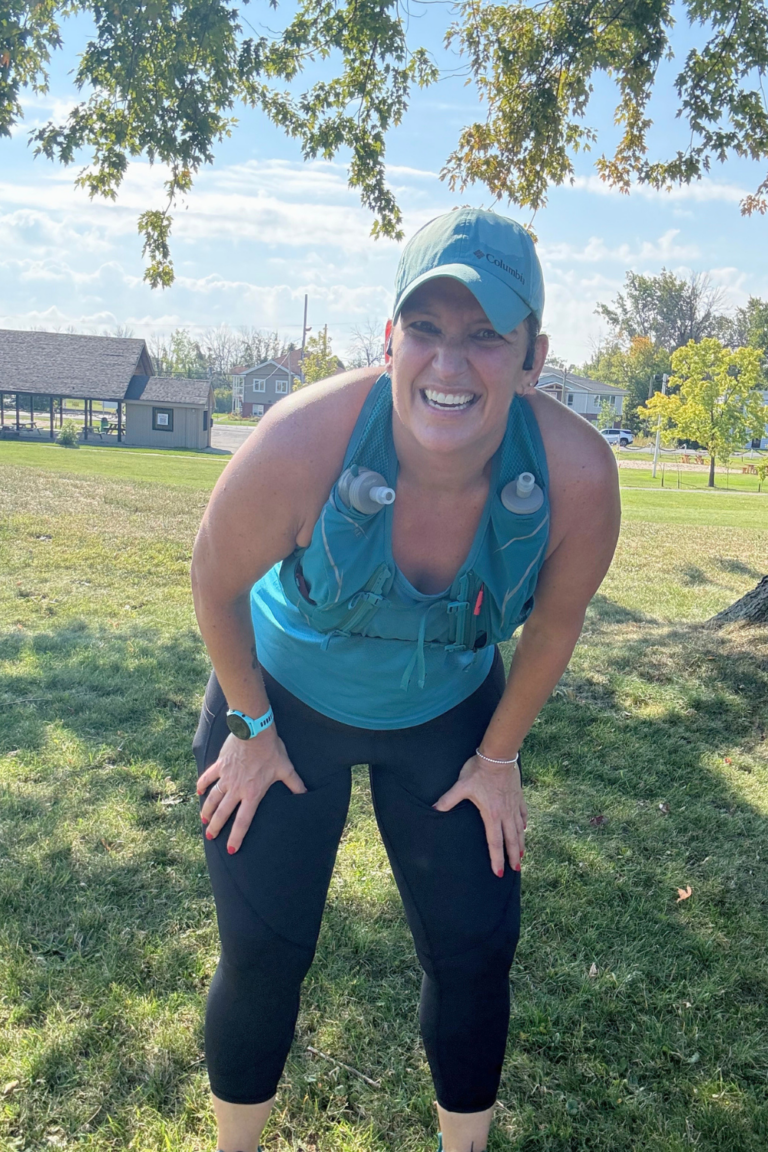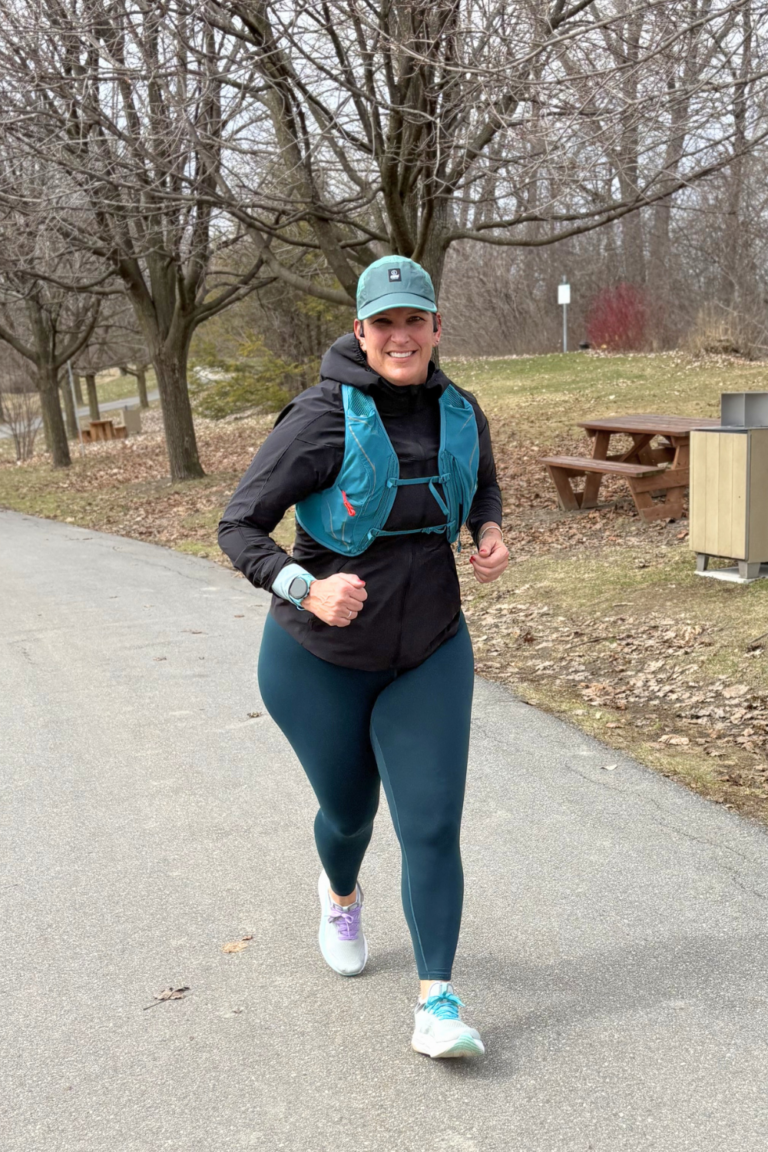
Starting running is a big step and most beginners don’t quit because they’re incapable. They quit because a few common mistakes make running feel harder, more frustrating, or more discouraging than it needs to be.
If you’ve ever felt exhausted, stuck, or doubted yourself early on, chances are it wasn’t your body failing you. It was the approach.
This post is all about the most common beginner running mistakes that hold new runners back and how to fix them so running feels more doable, supportive, and sustainable.
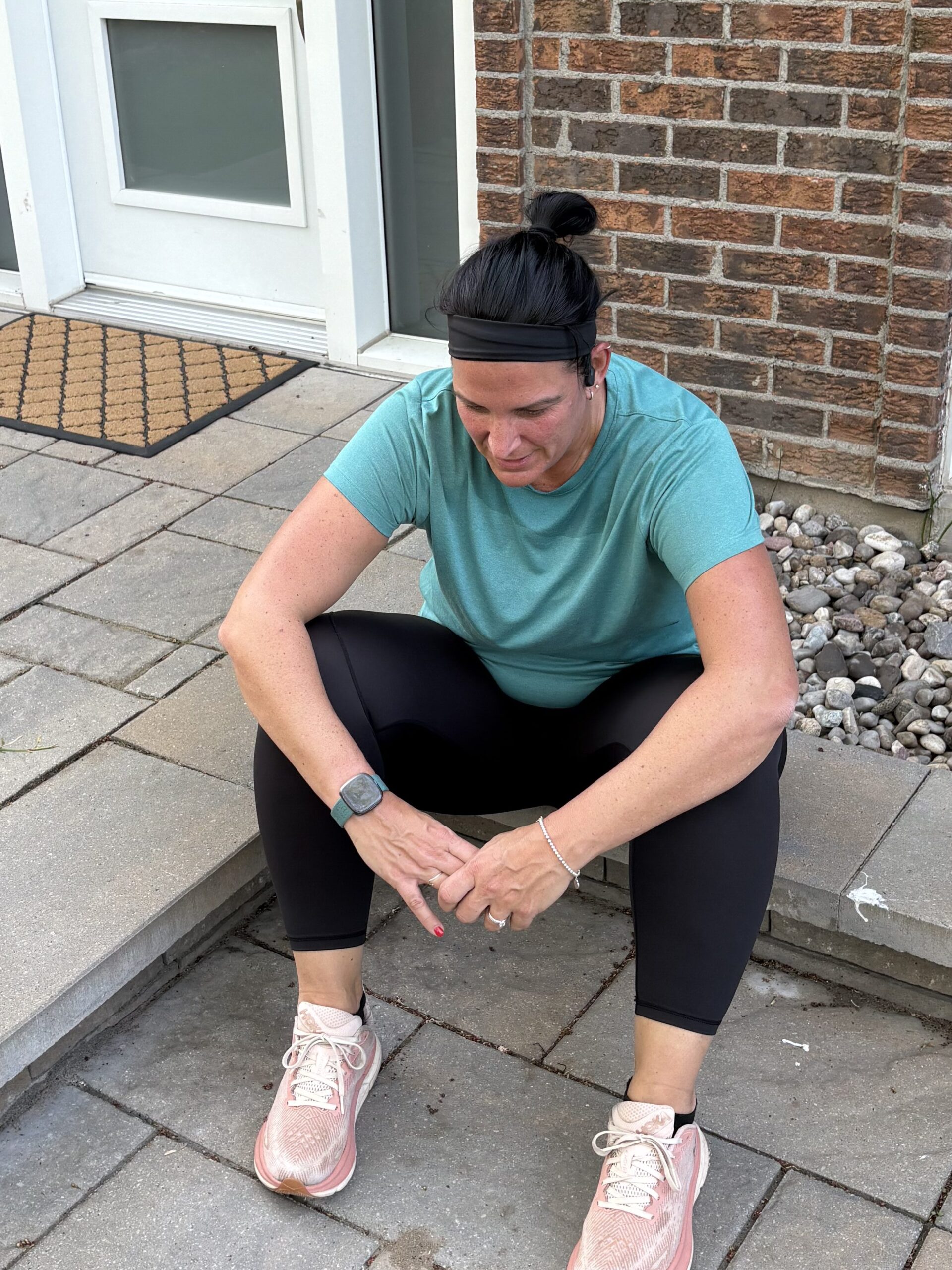

Mistake #1: Starting Too Fast
This is by far the most common beginner mistake and one I made myself.
When you first start running, it’s easy to go out too fast without realizing it. Adrenaline kicks in, and within minutes you’re out of breath and wondering why running feels impossible.
How to fix it:
Slow down more than you think you need to. Your running pace should feel controlled, not breathless. If you can’t speak in short sentences, you’re likely running too fast. Speed can come later. Right now, building endurance matters most.
Mistake #2: Trying to Run Nonstop Right Away
Many beginners believe that walking means they’re doing it wrong. That belief alone causes so many people to quit early.
When I started running, I relied heavily on walk breaks. I couldn’t run continuously and that was exactly what allowed me to keep going.
How to fix it:
Use the run/walk method intentionally. Planned walk breaks help your body adapt and reduce injury risk. If you need structure, my beginner running plan using the run/walk method breaks this down step by step.
Walking is part of running, not a failure.
Mistake #3: Running Too Often, Too Soon
More running does not equal faster progress when you’re a beginner.
Running too frequently can lead to constant soreness, fatigue, and burnout before running ever becomes a habit.
How to fix it:
Start with running two to three times per week. Rest days are where your body actually gets stronger. If you’re unsure how to structure your week, my post on how often a beginner should run explains this in a realistic way.
Mistake #4: Comparing Yourself to Other Runners
Comparison steals joy and motivation faster than anything else.
It’s easy to look at other runners online and feel behind, slower, heavier, or less “runner-like.” None of that defines your progress.
How to fix it:
Focus on your own journey. If you’re showing up, running a little longer, or feeling more confident than before, you’re improving. Running looks different for everyone and that’s exactly how it should be.
Mistake #5: Wearing Uncomfortable Clothing
If your clothes roll down, rub, dig in, or make you feel self-conscious, running becomes mentally exhausting before you even start.
How to fix it:
Choose comfort first. Wear clothes that stay in place and feel good on your body. I share exactly what works for me in my post on what to wear running in a bigger body, with a focus on comfort and confidence.
Mistake #6: Not Fueling Your Body
Skipping food before a run or under-fueling can make running feel unnecessarily hard.
Low energy can show up as dizziness, shaky legs, or feeling completely drained early into your run.
How to fix it:
Eat a simple snack before running, like a banana or toast. You don’t need gels or supplements at this stage. I explain this in more detail in what to eat before a run for beginners, using simple, no-diet advice.
Mistake #7: Expecting Instant Progress
Running progress isn’t linear, especially at the beginning.
Some runs will feel strong, others won’t and expecting every run to feel easier can quickly lead to frustration.
How to fix it:
Measure progress over weeks, not individual runs. Consistency matters more than perfection. Improvement often happens quietly, without you noticing right away.
Want Support That Helps You Avoid These Mistakes?
If you want guidance that removes guesswork, I created a free Beginner Running Guide that includes a 60-day run/walk program designed to help you build confidence gradually without burnout.
Final Thoughts
Making mistakes as a beginner runner doesn’t mean you’re failing, it means you’re learning.
Running doesn’t have to feel punishing to be effective. When you slow down, fuel your body, take rest days, and stop comparing yourself to others, running becomes something you can actually enjoy.
This post is all about beginner running mistakes and how to fix them so you can keep showing up with confidence.