Fuel for a 10K is the piece nobody warns you about when you’re building up your distance. You can nail every shorter run and still hit the wall halfway through a 10K because you didn’t eat or drink the right things beforehand.
I used to think fueling for a run meant having spaghetti the night before, full stop. That was the whole plan in my head. I had no idea it also meant what I ate that morning, what I brought with me, and what I did afterward.
Nobody tells you that part when you’re new to running. You hear “carb load” and picture one big pasta dinner, then you head out the door without a plan for anything else.
This post walks through what to eat before, during, and after a 10K run, plus what actually worked for my body versus what the running magazines told me was supposed to work.
This post is all about fuel for a 10K run.
Best Fueling for a 10K
1. The Night Before
This is where a lot of the work actually happens, and it’s the part people skip. Your dinner the night before a 10K doesn’t need to be some giant pasta feast. Sports nutritionists generally recommend somewhere around 6 to 8 grams of carbs per kilogram of body weight the night before, which sounds technical, but really just means a slightly bigger, carb-focused dinner than usual, not a week of carb loading like you’d do for a marathon. I keep it simple with something familiar and carb-leaning, like rice and chicken or pasta with a light sauce. Nothing greasy, nothing spicy, and I steer clear of too much fiber, since a big salad or a bowl of beans the night before is asking for trouble in the morning.
I also have electrolytes the night before to make sure my hydration is dialed in before I even wake up. Pale, straw-colored urine is usually the sign your hydration is where it should be, and it’s a good gut check the night before a run. It’s a small habit, but it makes a difference in how I feel when I head out.
I also lay out my fuel and gear the night before, gels, water bottle, breakfast ingredients, all of it. My mornings have enough going on already without me hunting for a granola bar at 5am.

2. The Morning Of
The two to three hours before you head out matter more than anything you do during the run, since that window gives your body enough time to actually digest and put that fuel to use instead of it just sitting heavy. Toast with peanut butter and a banana is my go-to. It’s easy on the stomach, gives me a good mix of carbs and a little protein, and it’s never once let me down.
If you’re someone who gets nervous before a run and can’t stomach a full meal, a small handful of pretzels or a few bites of a bagel about 90 minutes out can be enough. The goal is topping off your glycogen stores, not stuffing yourself.
I have electrolytes again that morning, alongside sipping water steadily, rather than chugging a big bottle right before I head out. Between the electrolytes the night before and the morning of, my hydration is where it needs to be before I even lace up.

3. During the Run
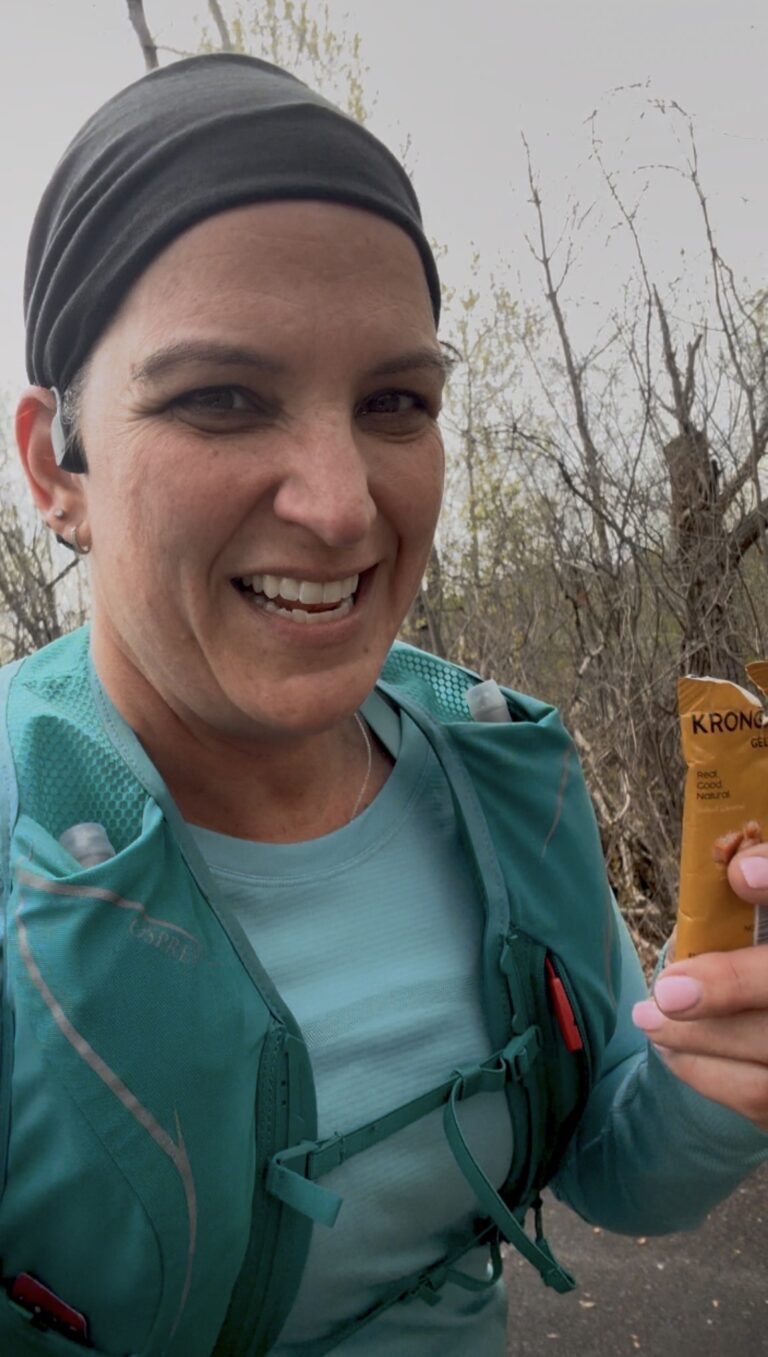
Most 10Ks land somewhere between 40 and 90 minutes depending on your pace, and if you’re closer to that 60 to 75 minute mark or beyond, your glycogen stores from the night before and that morning usually aren’t quite enough to carry you the whole way. A 10K takes me over an hour, so I always have a gel mid-run. That extra time is exactly when my energy starts to dip, and I’d rather stay ahead of it than try to recover once I’ve already hit the wall. I bring Energy Gels with me and take one around the halfway mark, and it’s kept me from that heavy, foggy feeling in the last two kilometers.
If gels aren’t your thing, a few other options work well too:
- Honey Stinger waffles, broken into small pieces you can eat on the move
- Chews or gummies you can portion out one at a time
- Fruit pouches or dried fruit if you prefer whole foods


Whatever you choose, practice it on your training runs first. A 10K day is not the day to try something new.
For hydration, I wear my hydration vest so I can carry everything I need in one place, gels included, and make sure I have enough water on me for the whole run. I don’t love relying on water fountains along the way, especially on a warmer day, so having my own supply gives me one less thing to think about while I’m running.
4. After the Run
The window right after you finish is when your body is most ready to soak up nutrients, and protein is what I focus on most. Protein helps your body recover, repairing the muscle you just worked and helping you bounce back faster for your next run. Nutritionists point to somewhere around 20 to 25 grams of protein in that window as the sweet spot for kickstarting muscle repair, and chocolate milk happens to hit that mark almost perfectly while covering your carbs and electrolytes too. I try to get a solid hit of protein along with some carbs into me within about 30 to 45 minutes, even if it’s just chocolate milk and a banana while I catch my breath.
A proper meal within a couple hours helps too, and I make sure protein is the star of it, not an afterthought. Since I run in the mornings, going out for breakfast after is one of my favorite parts of the day. My go-to order is eggs with cottage cheese, fruit, and bacon, which covers protein, carbs, and a little something indulgent all in one plate. This is also when I rehydrate slowly instead of chugging a huge bottle all at once, since that tends to leave me feeling sloshy.

5. Common Fueling Mistakes to Avoid
The biggest mistake I see, and the one I made myself, is under-fueling out of fear of stomach issues. Your body needs fuel to perform, and skipping it doesn’t prevent cramping, it just leaves you running on empty. Even mild dehydration can raise your heart rate and make the whole run feel harder than it needs to, so staying on top of fluids matters just as much as the food side of things. The second biggest mistake is trying something brand new the morning of, whether that’s a gel flavor, a breakfast food, or a hydration setup you’ve never tested. And on the flip side, you can also overdo it. A 10K doesn’t call for marathon-style carb loading, so eating way more than usual the night before tends to just leave you bloated and uncomfortable instead of helping. (Related post: What to Eat Before a Run)
Every body responds differently, so give yourself a few runs to figure out your own rhythm.
This post was all about fuel for a 10K
Fueling for a 10K doesn’t have to be complicated. Eat something familiar beforehand, bring fuel if your run takes over an hour, sip water when you need it, and refuel afterward so your body can recover. The details will look a little different for everyone, and that’s okay. You’ll figure out your own version with practice.
OTHER POSTS YOU MAY LIKE