This post may contain affiliate links. If you purchase with one of these links, I receive a small commission at no extra cost to you. Read the full affiliate policy.
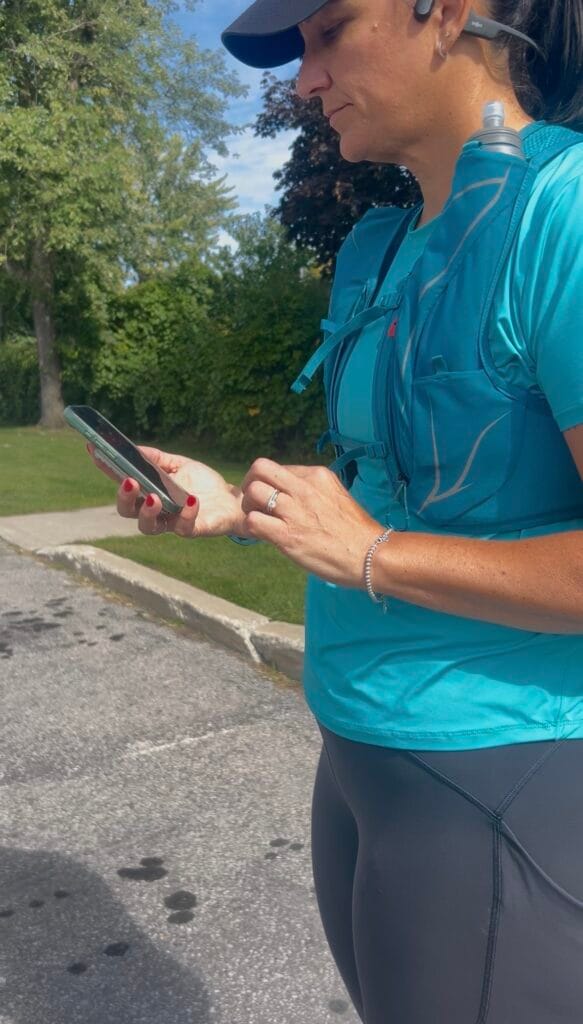
Running apps all do something a little different, and figuring that out before you download five of them and get overwhelmed is the whole point of this post.
I started using apps so I didn’t have to think about what I was going to run. I wanted someone else to tell me, because if I’d been left to listen to myself, I wouldn’t have progressed.
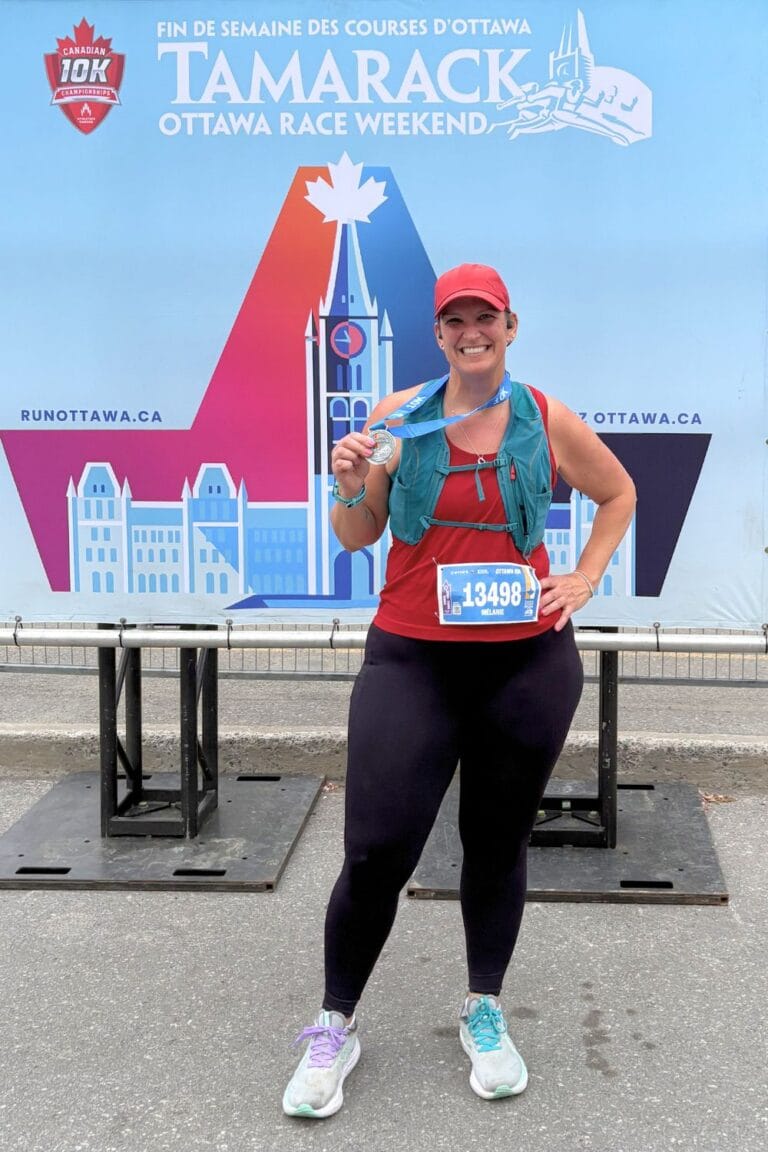
I started as a complete beginner with the 5K Runner app. I found it a little too hard, and by the time I finished the plan, I still couldn’t quite run 5K without stopping. I moved to Runkeeper’s My First 5K plan next, and it took three months before I could run 5K nonstop. I stopped for the winter, then started again the following year with None to Run, since I was pretty out of shape by that point. From there I did Runkeeper’s My First 10K plan. The year after that, I went from running a 5K to a 10K in May, then completed two half marathons in 2025, training with Runna. After the half marathon, I wanted to try run/walk intervals to train for another 10K, so I moved to Jeff Galloway’s app.
This post is all about the best running apps for beginners.
Best Running Apps for Beginners
1 – None to Run: Best for Complete Beginners
I came to None to Run after taking the winter off from running. I was pretty out of shape by the time I started again, and its free PDF plans were the gentler restart I needed.
It has a gentler introduction to running than most Couch to 5K plans, with run/walk intervals that start smaller and build more slowly (the flagship plan starts with 30-second run intervals and takes 12 weeks to reach 25 minutes of continuous running, versus 9 weeks for standard Couch to 5K plans). There’s less pressure to hit 5K within the typical timeline, which matters if standard plans have felt too aggressive before.
You can start completely free: all six of their plans, from a walking-only program up through a half marathon, are available as free PDF downloads with no trial period or expiration. Each one also includes twice-weekly strength routines built in. If you want audio coaching that tells you when to run and walk instead of checking a timer, plus automatic progress tracking, that’s where the paid app tier comes in, with a 7-day free trial before it converts to a subscription.
If you’re weighing None to Run against a traditional Couch to 5K app, the difference comes down to what you’re optimizing for. Couch to 5K style plans are goal-driven, built around reaching 5K by a set week. None to Run is more gradual, built around building enough fitness to keep running at all. Neither is automatically better. It depends on whether a defined finish line motivates you or overwhelms you. If you want more on building that base first, Beginner Running Plan: Run/Walk Method That Actually Works walks through the run/walk approach in more depth.
2 – Jeff Galloway Run Walk Run: Best for the Run/Walk Method
I moved to Jeff Galloway’s app after my half marathon, wanting to try run/walk intervals while training for another 10K, and I still love the method. It’s one I genuinely recommend to beginners, run/walk isn’t a lesser way to run, it’s a sustainable one, and Galloway’s approach is built entirely around that idea instead of treating walking as something to graduate out of. The one real issue I ran into was with the app itself: the GPS tracking didn’t match the actual distance I’d covered, which made a difference on runs where I was working toward a specific distance rather than just time on my feet.
Built around Jeff Galloway’s run-walk-run method, this is a good fit for someone who wants structured run/walk intervals and likes the idea that walking can stay part of their running long term, not just as a beginner phase to graduate out of. Programs cover 5K through marathon, with audio coaching and a free run/walk timer; full guided programs sit behind a subscription with a 7-day free trial. If distance accuracy matters to you, this app may work better for time-based workouts than strict distance tracking.
Download Jeff Galloway Run Walk Run
3 – Fitness22 Couch to 5K: Best Traditional Couch to 5K App
A quick note before this one: there’s more than one “couch to 5K” style app out there, and the names are nearly identical. This is specifically the app by Fitness22, not the separate Couch to 5K app by Active Network.
It’s a 9-week program that, like Runkeeper, tells you exactly what to run and when, building gradually toward the finish. This was the first running app I ever used, as a complete beginner, and I found it a little too hard. By the time I finished the plan, I still couldn’t quite run 5K without stopping. My issue is the same one I ran into with Runkeeper later on: as a beginner, you aren’t necessarily ready to run 5K nonstop in 9 weeks, and the program assumes you will be.
A good option for someone motivated by having a clear goal of progressing toward a 5K. It’s also a useful point of comparison against None to Run’s gentler pacing, since the two take genuinely different approaches to the same starting line and gave me two very different outcomes. The app runs an 8-9 week walk/run interval program with an audio coach. The first four runs are free, then an auto-renewing monthly subscription unlocks the rest, the exact price isn’t consistently listed across app store pages, so check the current rate in-app before you commit.
Download Fitness22 Couch to 5K
4 – ASICS Runkeeper: Best for Guided Workouts
I tried both the My First 5K and My First 10K guided workouts, at different points as I built up. I loved the coaching, having Coach Erin talk me through my runs made a real difference. It took three months on the My First 5K plan before I could run 5K nonstop, longer than the plan’s own timeline assumed. The same pacing issue showed up again on the 10K: the plans train you around a time goal rather than just getting you to the distance, and I couldn’t complete 10K within the pace they expected.
Good for beginners who want coaching cues, structured workouts, GPS tracking, and running history all in one place rather than juggling separate apps. Just go in with the expectation that the pacing targets may be set faster than what feels realistic starting out, especially if you’re coming from a slower or run/walk background. Free to download and track runs; the premium tier (Runkeeper Go, about $40/year after a 7-day trial) adds ASICS-designed training plans for 5K through marathon and audio-guided workouts including My First 5K.
5 – Runna: Best for Personalized Training
I used Runna for my 10K and half marathon training in 2025. It helped me start where I was and get me to where I wanted to go, with a plan that adjusted around my actual fitness level instead of a generic timeline. I liked that it added strength training into the plan, and that I could adapt it to my own pace and level instead of forcing me into someone else’s timeline. After the half marathon, I moved to run/walk intervals with Jeff Galloway’s app to train for another 10K.
Runna builds a plan around your goal, schedule, and current fitness level, then tells you exactly what pace to run for each part of a workout. You can also add personalized strength training alongside your running plan, tailored to your experience, equipment, and available time. A handful of beginner plans are free, but personalized, adaptive coaching and watch sync sit behind a subscription (roughly $18-20/month or $110-120/year, confirm current pricing since it shifts and Strava’s 2025 acquisition of Runna may affect bundling).
If you already have a specific race and distance in mind and want a plan built entirely around your pace, Runna is worth the cost. If you’re earlier than that and want to build a running habit without a set pace goal yet, the walk/run apps above are a better place to start.
Which app fits where
If standard Couch to 5K plans have felt too aggressive before, start with None to Run. If you like the idea of walking staying part of your running long term instead of something you graduate out of, Jeff Galloway Run Walk Run is built around that. Want a clear, traditional 5K goal to work toward? Fitness22’s Couch to 5K keeps that structure. If you want coaching cues and tracking in one place, ASICS Runkeeper covers both. And if you want a coach telling you exactly what pace to run and don’t mind paying for it, that’s Runna.
A quick note on Strava
Strava isn’t on this list because I don’t consider it a beginner training app in the same way as the five apps above. I think of it more as a place to track my runs, see my progress, and share them with other runners. I’ve jumped between different training apps depending on what I’m working toward, but Strava has stayed constant. I use my training app to tell me what to do and Strava to keep a record of what I did. You can start using Strava from your very first run, and the free version is enough if you simply want a place to log your runs and see your progress over time.
This post was all about the best running apps for beginners. If you’re looking for a free beginner running app to start with, None to Run’s PDF plans are the easiest place to begin at no cost.
OTHER POSTS YOU MAY LIKE
- Beginner Running Plan: Run/Walk Method That Actually Works
- How Often Should a Beginner Run? A Realistic Schedule That Actually Works
- How to Start Running As A Beginner, Even If You Feel Completely Out Of Shape