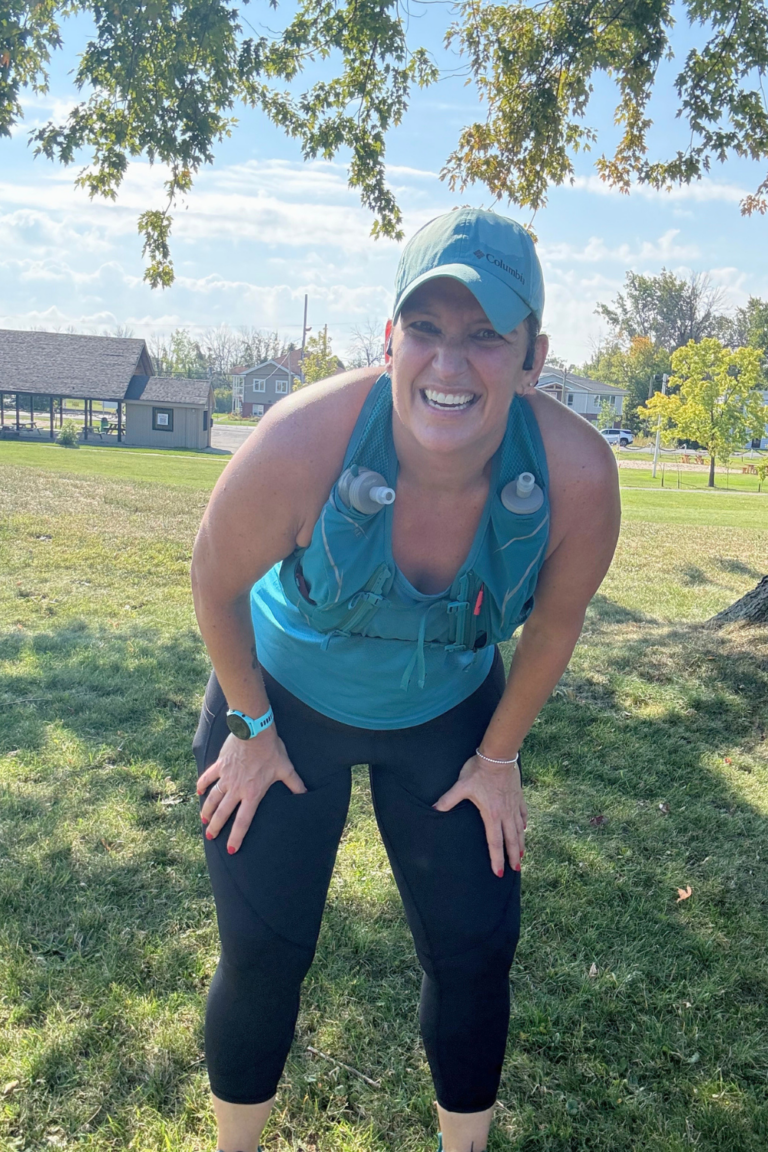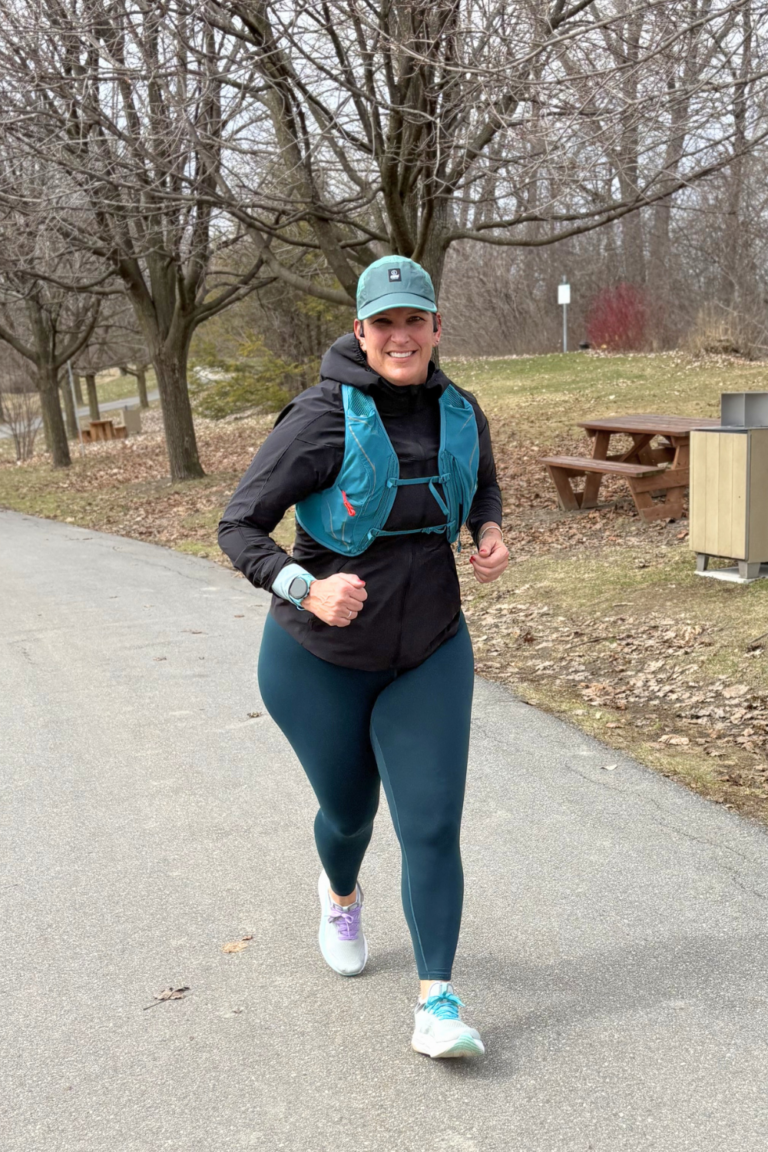
When you’re just starting running, one of the hardest parts is knowing what to do once you lace up your shoes. You want a plan that feels doable, not intimidating, something that helps you build confidence instead of making you feel like you’re failing.
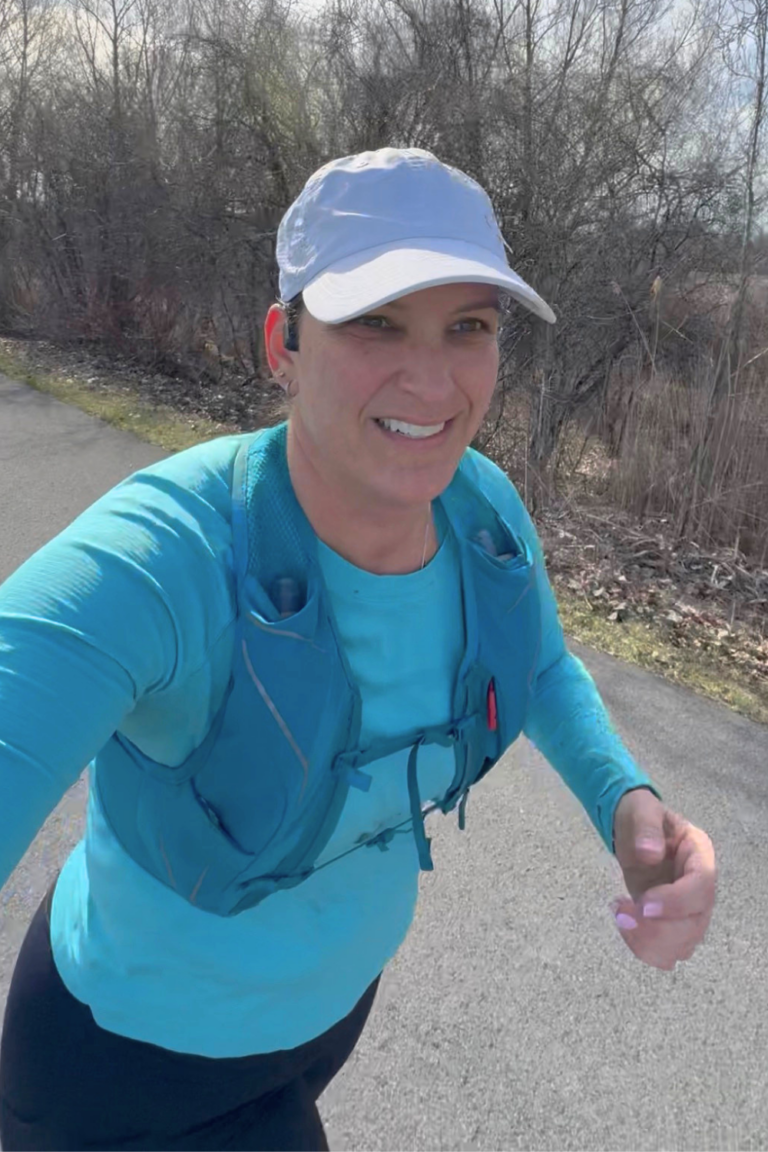
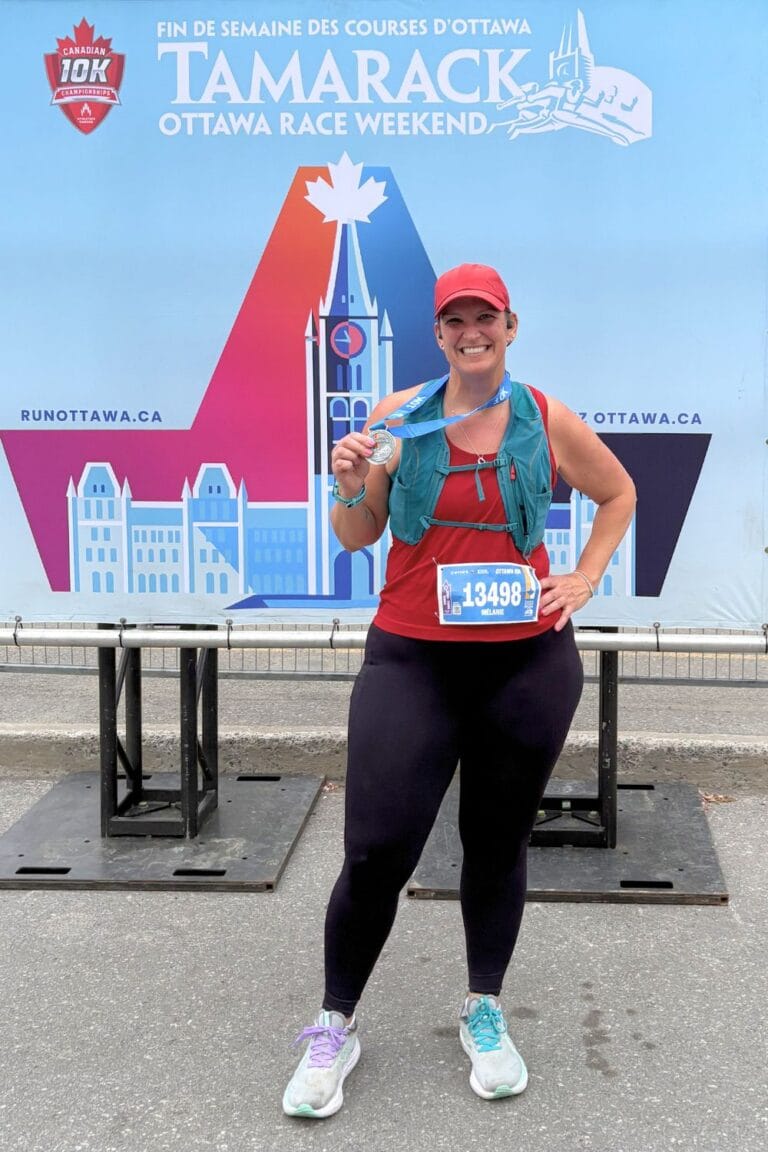
That’s exactly why the run/walk method is one of the best beginner running plans out there. It’s the approach I used when I first started running, back when I couldn’t even run for a full minute without stopping. I wasn’t fast, I wasn’t fit, and I definitely didn’t feel like a “runner”, but this method helped me show up anyway.
This post is all about a beginner running plan using the run/walk method that actually works, especially if you’re starting from scratch or getting back into running after a break.
What Is the Run/Walk Method?
The run/walk method is exactly what it sounds like. You alternate short running intervals with walking breaks, repeating the cycle for a set amount of time.
Instead of trying to run continuously, you give your body planned recovery moments. This makes running feel more manageable and helps your body adapt gradually without overwhelm or injury.
Walking is not a sign of weakness. It’s part of the plan.
Why the Run/Walk Method Is Perfect for Beginners
Many beginners quit running because they push too hard too soon. The run/walk method helps prevent that by focusing on consistency instead of intensity.
This approach:
- Reduces injury risk
- Builds endurance gradually
- Makes running feel achievable
- Helps you stay consistent
When I started, I relied completely on walk breaks. I needed them physically, but even more, I needed them mentally. Knowing I could walk again soon kept me moving forward instead of stopping altogether.
My Experience Starting With Walk/Run Intervals
When I began running, I didn’t follow an intense plan or try to impress anyone. I started with very short running intervals — sometimes less than a minute — followed by walking.
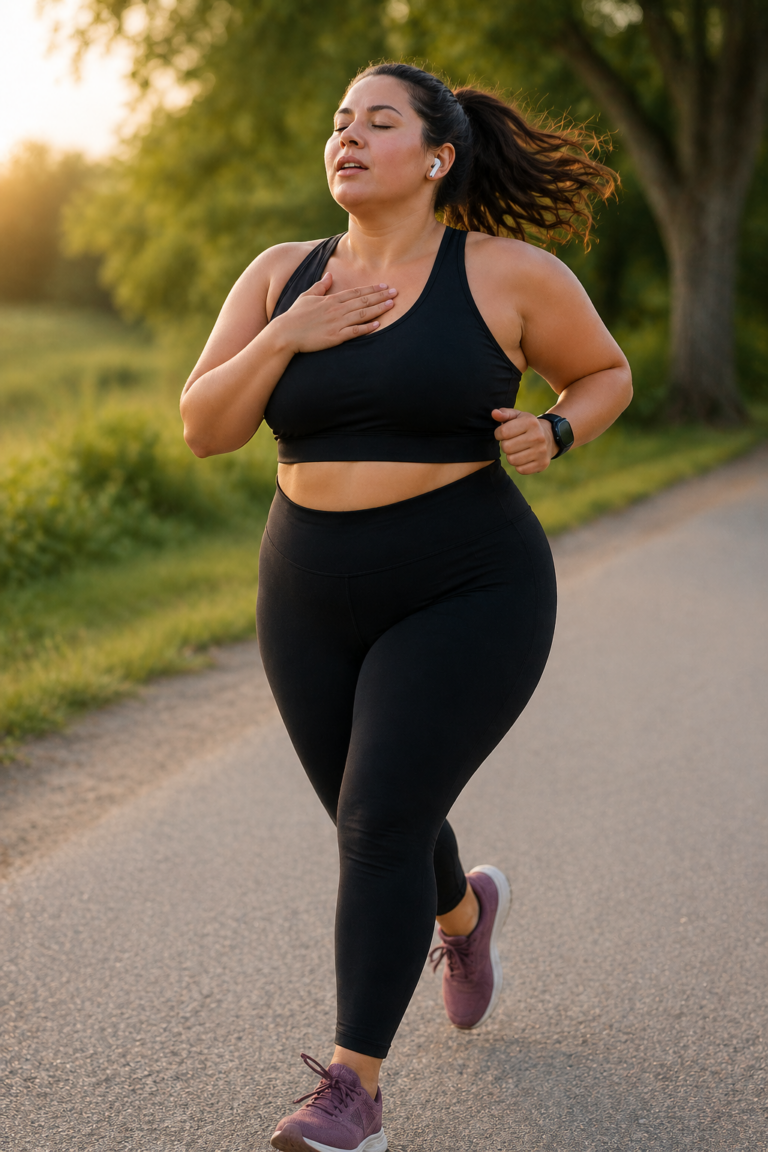
At first, even those short runs felt hard. My breathing was heavy, my legs felt awkward, and I doubted myself constantly. But over time, something changed. The running intervals slowly felt easier, and the walk breaks became shorter.
I didn’t notice progress overnight. It happened quietly, run by run. That’s the power of the run/walk method — it meets you exactly where you are and grows with you.
A Simple Beginner Running Plan Using Run/Walk
This beginner running plan is designed to feel realistic and flexible. You can repeat weeks as needed and move at your own pace.
Week 1
Run for 1 minute, walk for 2 minutes.
Repeat for 20 minutes.
Run 2–3 times per week.
Week 2
Run for 1.5 minutes, walk for 2 minutes.
Repeat for 20–25 minutes.
Run 2–3 times per week.
Week 3
Run for 2 minutes, walk for 1.5 minutes.
Repeat for 25 minutes.
Run 2–3 times per week.
Week 4
Run for 3 minutes, walk for 1 minute.
Repeat for 25–30 minutes.
Run 2–3 times per week.
There is no rush to move on. If a week feels hard, repeat it. Progress happens when your body is ready.
How Often Should You Follow This Beginner Running Plan?
Most beginners do best running two to three times per week. Running more often doesn’t mean faster progress — it usually leads to fatigue or frustration.
Rest days are part of training. They allow your muscles and joints to recover and grow stronger.
If you want help structuring your week, my post on how often a beginner should run breaks this down in more detail.
How Fast Should You Run During Run Intervals?
Slower than you think.
Your running pace should feel controlled, not breathless. You should be able to speak in short sentences while running. If you’re gasping for air, slow down.
Speed does not matter right now. Building endurance does.
Common Beginner Mistakes With Run/Walk Plans
One of the most common mistakes is trying to eliminate walk breaks too quickly. Walking is not something you “graduate” from — it’s a tool you can use anytime you need it.
Other common mistakes include:
- Running too fast
- Skipping rest days
- Comparing your progress to others
- Expecting instant results
The run/walk method works best when you trust the process.
Want a Longer Plan to Follow?
If you like having everything laid out step by step, I created a free Beginner Running Guide that includes a 60-day run/walk program designed for beginners who want structure without pressure.
This guide builds on the same approach I used when I started — slow, steady, and realistic.
Final Thoughts
A beginner running plan doesn’t need to be intense to be effective. The run/walk method proves that slow, steady progress leads to real results.
If you’re starting from zero, feeling out of shape, or doubting yourself, know this: you don’t need to run nonstop to become a runner. You just need to start.
This post is all about a beginner running plan using the run/walk method that actually works.