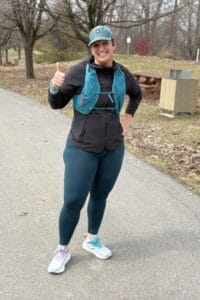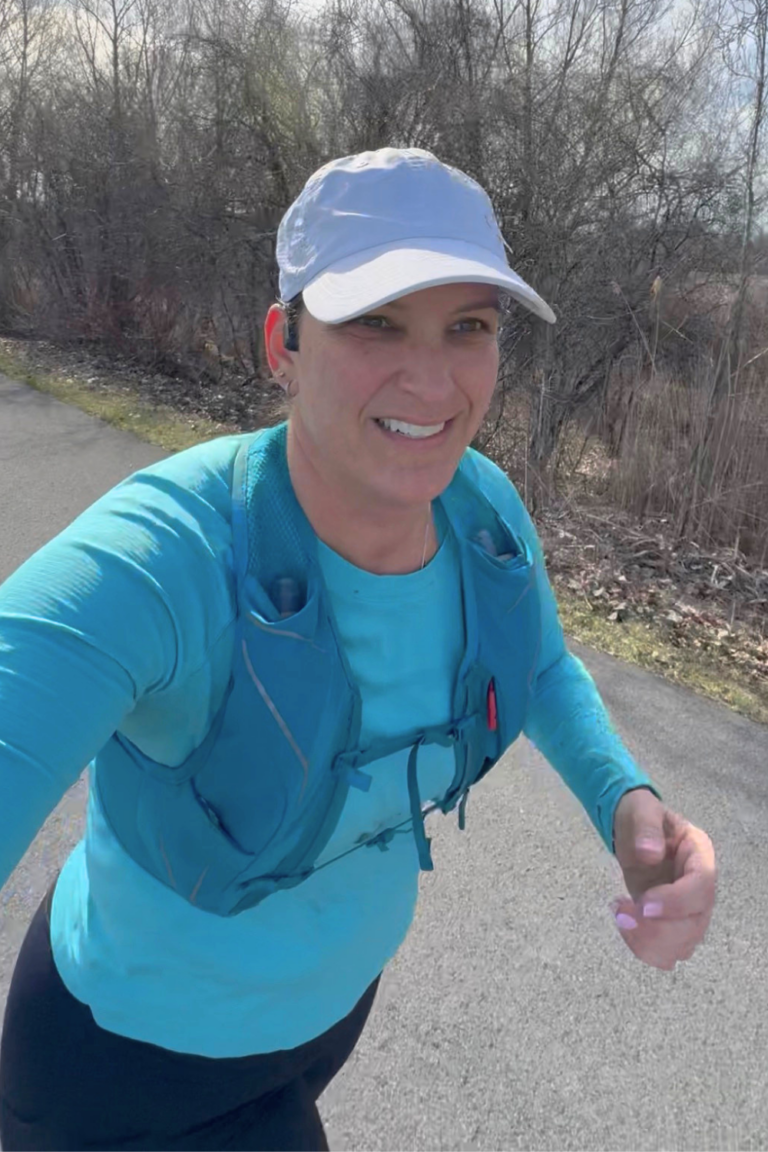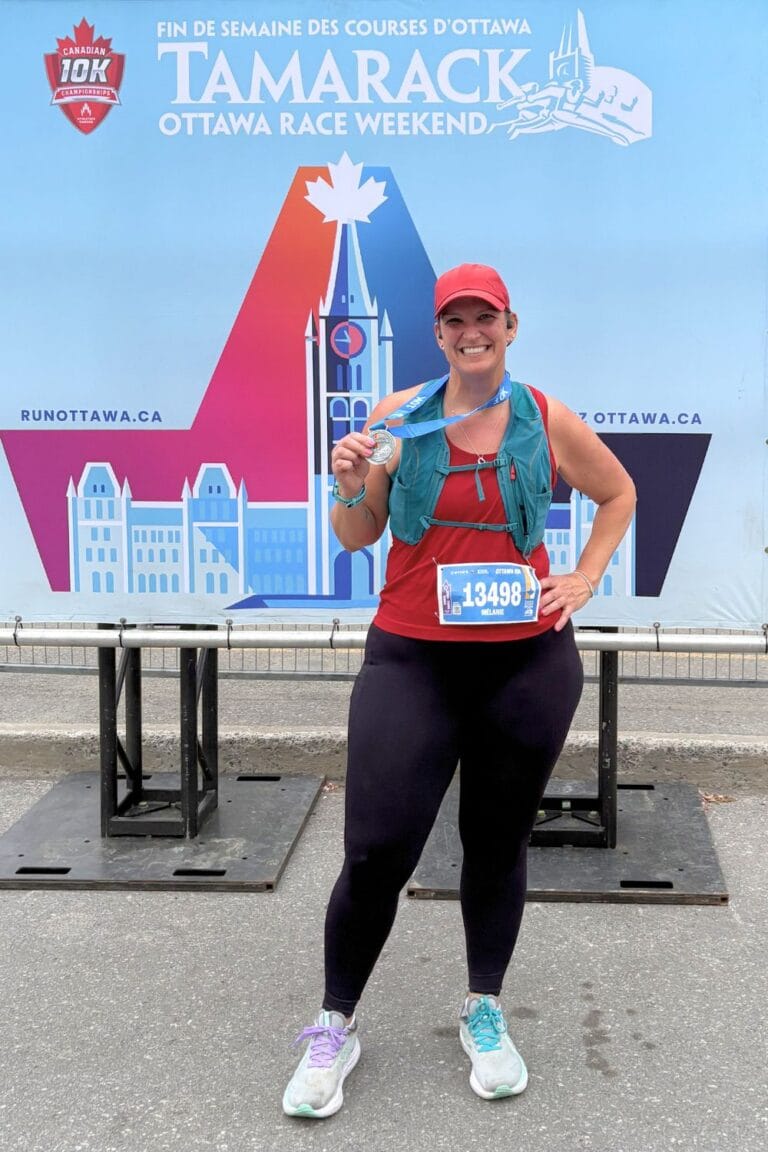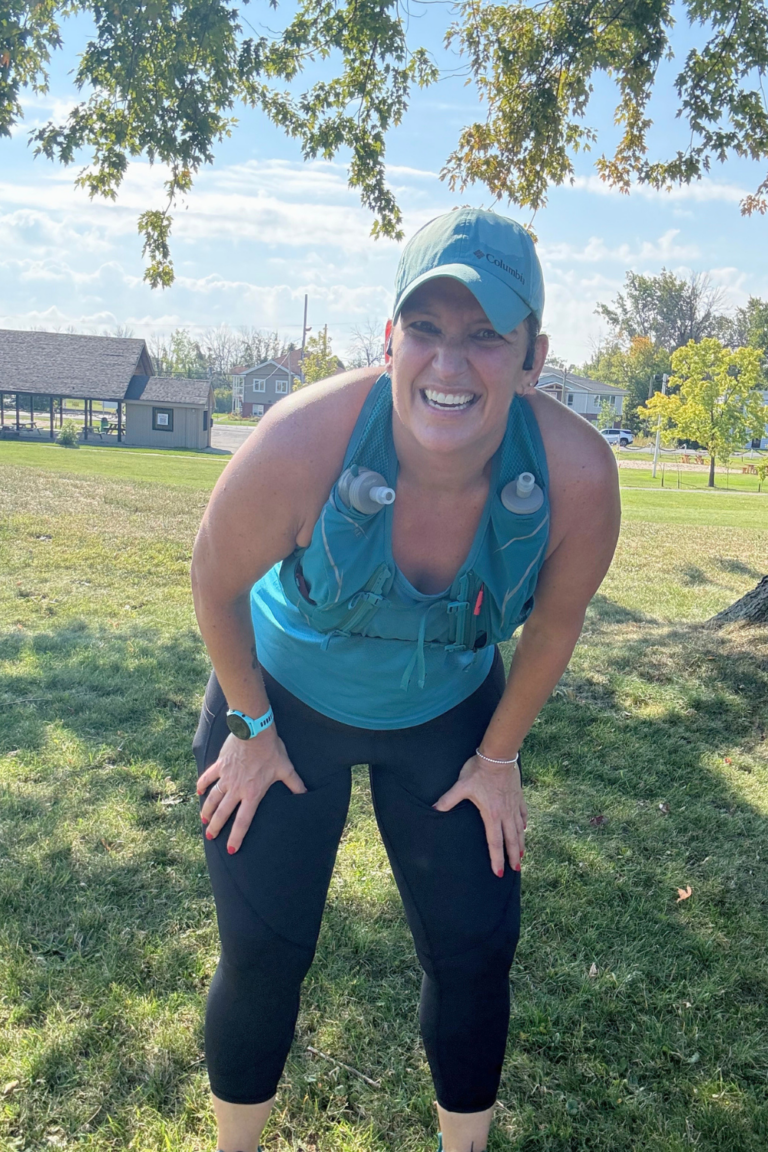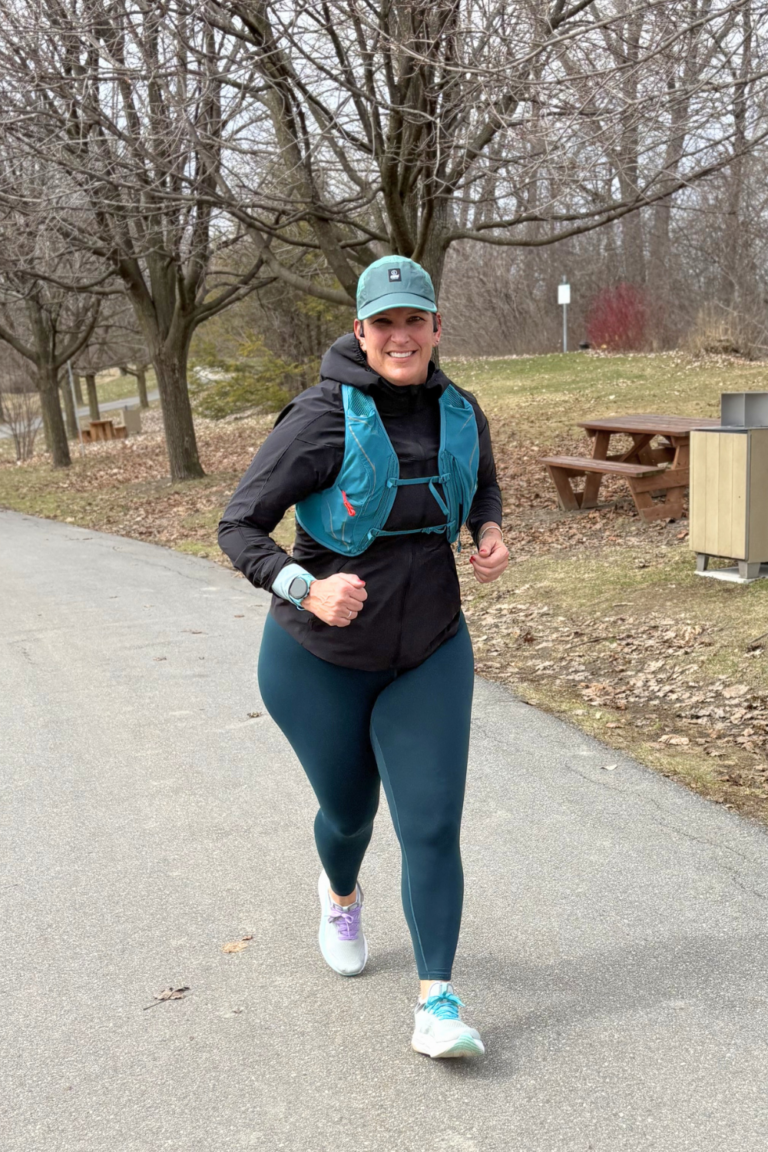
If you’ve been searching for the best running shoes for plus-size or curvy beginners and come up empty, you’re in the right place. Every review seems to be written for someone who already runs marathons, and nobody is talking about what it’s actually like to shop for shoes in a bigger body.
I’ve been there. And I’ve made every mistake possible: wrong size, wrong width, wrong type of shoe entirely. My feet went numb for months before I finally figured out what was happening. So this post is everything I wish someone had told me when I was starting out. And if you’re still figuring out what gear you actually need beyond shoes, I’ve got a full beginner running gear breakdown for that too.
Here’s the thing: the right running shoe genuinely changes everything. A bad fit, or worse, the wrong type of shoe for your foot, can cause shin splints, knee pain, blisters, and a whole lot of reasons to quit before you’ve really gotten started. (I cover a lot of those early stumbles in my post on 7 beginner running mistakes if you want to avoid them from day one.) And we are not doing that.
So let’s get into what actually matters when you’re a plus-size or curvy runner shopping for your first pair.
This post contains affiliate links. If you purchase through my links I may earn a small commission at no extra cost to you. I only recommend products I genuinely use and trust. See my full disclosure policy for more details.
What to Look For in Running Shoes for Plus-Size & Curvy Runners
Before I get into specific picks, there are a few things I want you to know going in, because most reviews skip right over them and they make a huge difference when you’re running in a bigger body.
1. Cushioning is your best friend
When you’re carrying more weight, your joints absorb more impact with every single stride. That’s just physics, and it’s not a bad thing, but it does mean cushioning matters more for us than it does for lighter runners. Look for shoes with a generous midsole (the foam layer between the outsole and your foot). You want something that absorbs shock without feeling like you’re running on a trampoline.
Brands like Hoka and New Balance tend to run with more volume and cushion, which works really well for curvy runners.
2. Stability over “neutral” (at least at first)
A lot of beginner running guides push neutral shoes as the default. And for some people, that’s fine. But many of us, especially those of us with wider hips and more body weight, tend to overpronate (meaning our ankles roll slightly inward when we land). A stability shoe gives your foot and ankle a little extra support and corrects that motion without you even thinking about it.
If you’re not sure whether you overpronate, your local running store can watch you walk or jog and tell you in about 30 seconds. Worth the trip.
3. Wide width options are worth it (and size up while you’re at it)
This one is personal for me, so bear with me.
When I started running distances longer than 5km, my feet would go completely numb. Not a little tingly. Fully numb. I saw a podiatrist. I saw a physiotherapist. I got stretches, I got exercises, and I got zero real answers. I went to multiple specialized running stores and switched to a neutral shoe based on their recommendations. Still numb.
It wasn’t until someone finally told me to try going up a full size and getting a wide version of the shoe that everything changed. Game changer doesn’t even cover it. My feet rarely go numb anymore.
Here’s what was actually happening: standard shoe widths are designed for a narrower foot. When your foot swells during a longer run (which is completely normal, everyone’s feet swell when they run), a too-narrow shoe compresses the nerves across the top of your foot. That’s what causes the numbness. No amount of stretching fixes a shoe that’s the wrong width.
So: go up at least half a size from your everyday shoes, and seriously consider a wide (D) or extra-wide (2E) fit. Brooks, New Balance, and Asics all offer excellent wide-width options. If you’ve ever had numb feet, blisters on the sides of your toes, or that squeezed feeling after a run, this is almost certainly why.
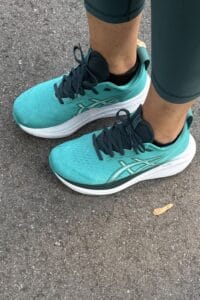
My Top Shoe Picks for Curvy Beginner Runners
These are shoes that come up again and again in the curvy and plus-size running community, and for good reason. I’m giving you honest reasons for each pick, not just a list of whatever’s trending. (And if you’re building out your full kit, check out my guide to the best sports bras for curvy runners too.)
Best Overall: Brooks Ghost 17
The Brooks Ghost is one of the most recommended beginner running shoes for a reason: it’s incredibly forgiving, well-cushioned, and works for a wide range of foot types. It has a 10mm heel drop, which is great if you tend to heel-strike (which most beginners do), and it comes in wide widths. It’s not the flashiest shoe on this list, but it’s reliable and comfortable from the very first run, which is exactly what you want starting out.
Best for: Beginners who want a trusted, no-drama shoe that does everything well.
Best for Maximum Cushion: Hoka Clifton 10
If cushioning is your top priority, the Hoka Clifton is where to look. It has a thick, pillowy midsole that absorbs serious impact and, despite looking chunky, it’s actually surprisingly lightweight. Hoka tends to run with a bit more room in the toe box, which many curvy runners find more comfortable. This is a great option if you have any knee or hip discomfort when you run.
I want to share something here because I think it’ll save someone a lot of grief. I tried the Hoka Bondi before the Clifton and the Bondi felt absolutely incredible in the store. Like running on clouds. I was convinced. But the moment I started actually running in them, I got blisters everywhere. I tried every trick: specialized socks, different lacing, breaking them in slowly. Nothing helped. I ended up returning them within the 30-day guarantee window at the running store (another reason to buy from a specialty store, because that guarantee matters).
On a whim, I tried the Clifton in the exact same size. Never got a single blister. Same brand, similar cushioning, completely different experience. The lesson: not every model works for every foot, even within the same brand. If a shoe isn’t working, it’s not you. It’s the shoe. Don’t force it.
Best for: Runners who want maximum cushioning and a soft ride. My personal go-to.
Best Stability Shoe: ASICS Gel-Kayano 31
The Kayano is a legend in the stability shoe world. It’s built for overpronators, with firm support on the inner side of the midsole to keep your foot properly aligned. It’s also extremely well-cushioned, so you’re not sacrificing comfort for support. It’s a pricier option, but if you’re dealing with knee or ankle discomfort, it might be the most important investment you make in your running journey.
Best for: Runners who overpronate or have had knee, ankle, or hip issues in the past.
Best Budget Pick: Saucony Ride 17
Great shoes don’t have to cost a fortune. The Saucony Ride hits a sweet spot of cushioning, support, and price. It’s often $30 to $40 cheaper than comparable shoes and doesn’t feel like a budget shoe when you’re actually running in it. It’s a neutral shoe with a smooth, balanced ride that works well for most beginners.
Best for: Runners who want quality without the premium price tag.
Best Wide-Width Option: New Balance Fresh Foam X 1080v14
New Balance has always been a go-to brand for wide widths, and the Fresh Foam X 1080 is their most cushioned everyday shoe. It comes in multiple widths (including 2E extra wide) and the Fresh Foam midsole is genuinely plush and comfortable. This is a great pick if you’ve always struggled to find shoes that fit comfortably across the top of your foot.
Best for: Runners with wider feet who need a great width selection without sacrificing cushioning.
Where to Buy Your Running Shoes
My honest advice: go to a local running specialty store for your first pair. Not a general sporting goods store. An actual running store with staff who are trained to help you find the right shoe for your gait and foot shape.
They’ll watch you walk, measure your foot properly, and let you try on multiple pairs. It takes 20 to 30 minutes and it makes a huge difference. Once you know your shoe, you can absolutely buy future pairs online.
One more thing: ask about their return policy before you buy. Many specialized running stores offer a 30-day wear guarantee, meaning you can actually run in the shoes and return them if they don’t work out. That policy saved me when the Hoka Bondis gave me blisters on every single run. I was able to swap them for the Clifton and start fresh. That kind of policy doesn’t exist at big-box stores, and it matters more than you think when you’re still figuring out what works for your feet.
If you don’t have a local running store nearby, look for online retailers that offer free returns so you can try a few pairs at home.
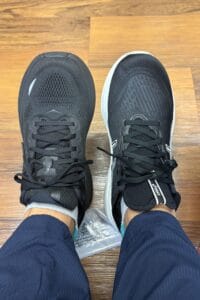
A Word on Trying Shoes as a Curvy Runner
I want to be real with you about something: walking into a running store can feel intimidating when you’re in a bigger body. You might worry about being judged, or that the staff won’t take you seriously.
Most running store staff genuinely love helping people find their first shoe. They’re not there to judge you. They’re there because they love running and they want more people to love it too. You belong there as much as anyone else.
And if you ever walk into a store and don’t feel welcomed? Leave and find a different one. Your money and your body deserve better.
Frequently Asked Questions About Running Shoes for Plus-Size Runners
What running shoes are best for heavy or plus-size runners? Look for shoes with maximum cushioning, a stability or support feature, and wide-width options. Brooks Ghost, Hoka Clifton, and New Balance Fresh Foam X are consistently recommended for heavier runners because they absorb more impact and hold up longer under higher body weight.
Should plus-size runners wear stability or neutral shoes? For most beginners, a stability shoe is the safer starting point. Heavier body weight increases the likelihood of overpronation (inward ankle rolling), and a stability shoe corrects that automatically. Once you’ve been running for a few months and understand your gait, you can reassess.
Why do my feet go numb when I run? Numb feet during running are almost always caused by shoes that are too narrow or too small. Your feet swell during runs, and a shoe that fits fine at rest can compress the nerves across the top of your foot mid-run. Try going up a full size and switching to a wide-width version of your shoe. This fixed the problem for me after months of trying everything else.
How much should I spend on my first running shoes? A good beginner running shoe typically costs between $120 and $180 USD. It’s worth investing here because cheap shoes wear out faster, offer less support, and can lead to injury. That said, you don’t need to spend over $200 to get a great shoe. The Saucony Ride on this list is an excellent option under $150.
Do I need to buy running shoes a size up? Yes. Most runners should go up half a size to a full size from their everyday shoes. Your feet swell when you run, and you need about a thumb’s width of space at the toe. For plus-size runners especially, this extra room can prevent blisters, numbness, and black toenails.
Can I use the same shoes for running and the gym? Technically yes, but it’s not ideal. Running shoes are engineered specifically for forward motion and don’t provide the lateral stability you need for gym workouts. If budget allows, keep them separate. But if you’re just starting out, your running shoes will do the job.
The Bottom Line
The best running shoes for plus-size and curvy beginners are the ones that fit your foot well, support your gait, and make you want to get out the door. Don’t overthink it. Start with one of the picks above, prioritize cushioning and width, and if you’re not sure where to begin with your training, my guide on how to start running as a beginner walks you through everything step by step.
You don’t need perfect shoes. You just need good ones.
Have you found a running shoe that works great for your curvy or plus-size runner body? Drop it in the comments. I’d love to add it to my list!