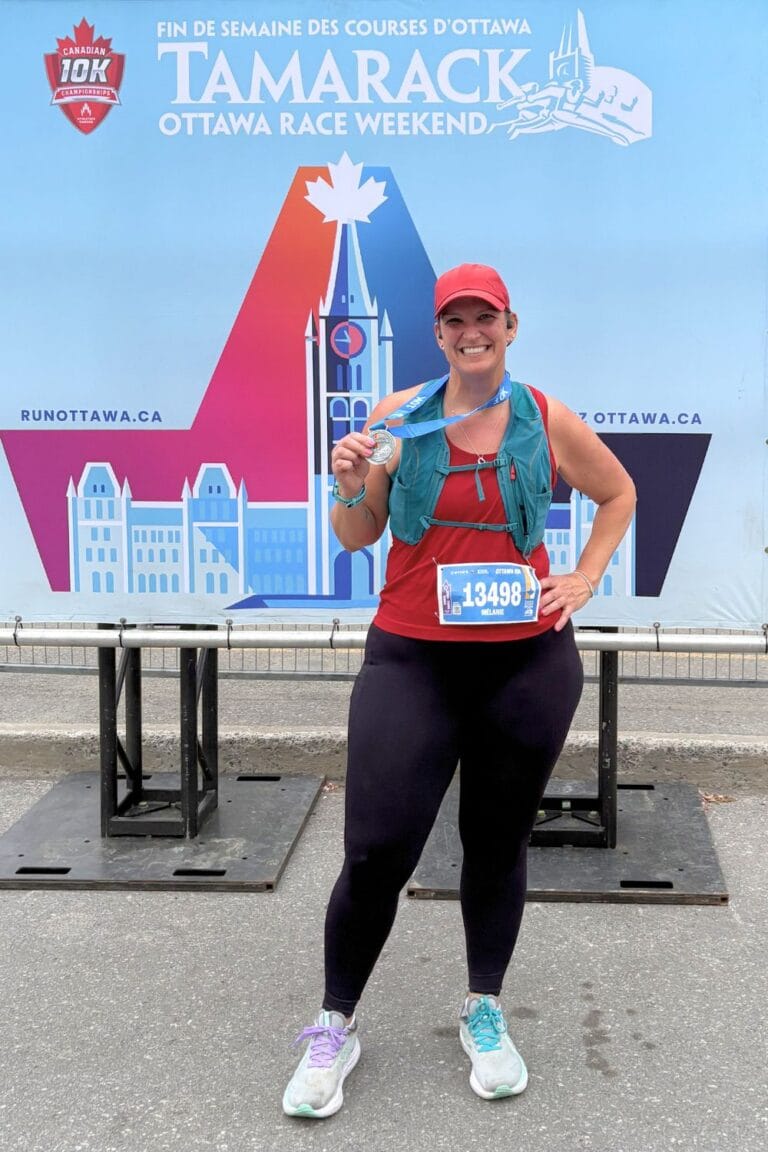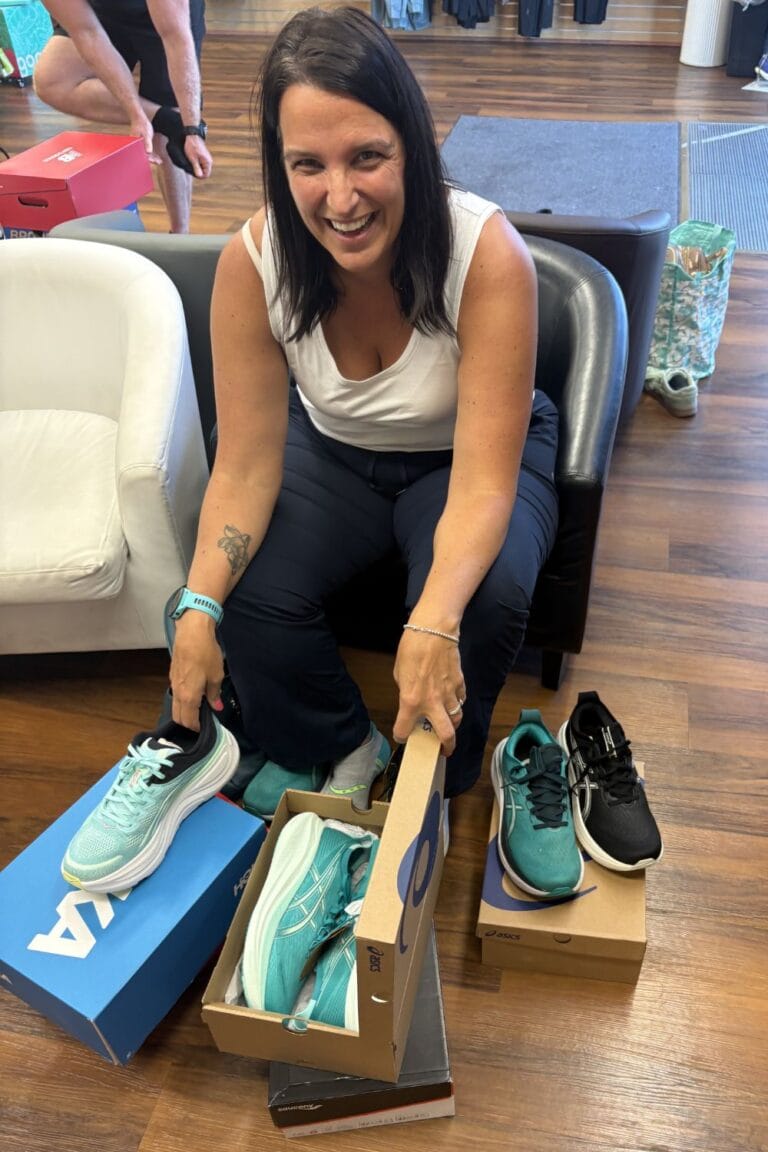
First 5K race day tips for beginner runners usually assume your race will look like your training runs. Mine didn’t. I registered for my first 5K without really knowing what I was signing up for. It turned out to be a cross country race, in a forest, with hills and a stretch of sand. I had trained on flat asphalt. Nothing about that morning matched what I’d prepared for.
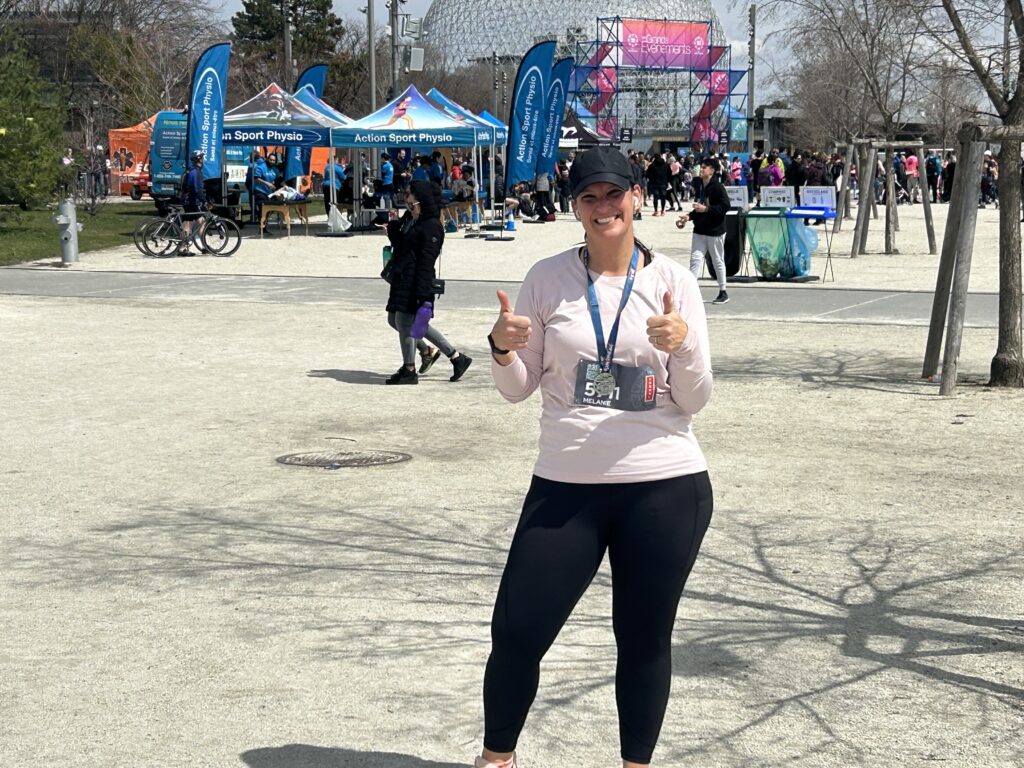
This post is everything I wish someone had told me before that race. Not just the practical stuff, like what to eat and what to wear, but the parts nobody warns you about, like what to do when the course throws something at you that your training didn’t.
This post is all about first 5K race day tips for beginner runners.
Best First 5K Race Day Tips for Beginner Runners
1. Know Your Course Before Race Day
This is the one I learned the hard way. I signed up for my first 5K without checking what kind of race it actually was. It ended up being a cross country race through a forest, with hills and a section of sand, and I had trained entirely on flat asphalt. Going uphill on a surface I’d never run on, my legs and my training just didn’t match what was in front of me.
Before you register, check the course type (road, trail, cross country), the elevation, and the surface. If you’ve only trained on pavement and your race has hills or an uneven surface, you don’t need to panic, but you do need to know that going in, so it doesn’t blindside you the way it did me.
2. What to Eat and Drink the Morning Of
Stick to something you’ve already eaten before a training run, this isn’t the morning to try something new. A light carbohydrate-based breakfast an hour or two before the race, and water in the hours leading up rather than chugging it right before the start, works for most people. If you’re not sure what sits well for you, What to Eat Before A Run For Beginners (Simple, No-Diet Fueling) covers exactly this.
3. Wear What You’ve Already Tested
Nothing new on race day. Not new shoes, not a new sports bra, not a shirt you’ve never run in. Anything untested is a risk for chafing or discomfort you don’t want to discover mid-race. Whatever you’ve worn on your longest training runs without issue is what you wear.
4. Go Slower Than You Think You Should
Race day adrenaline makes almost everyone start too fast. It’s easy to get caught up in the crowd and the excitement and take off faster than your training pace, and then pay for it in the second half. Starting slightly conservative and having something left for the last mile beats burning out early.
5. It’s Okay to Walk
I cried during part of my first 5K because I had to walk. I felt like walking meant I was failing at something I’d trained for. It doesn’t. Walking during a race, especially your first one, especially on a course that surprises you, is not quitting. It’s finishing smart.
6. Have a Mental Plan for the Hard Miles
There will very likely be a moment in your first 5K where it feels harder than you expected. Mine was going uphill on sand, crying, and genuinely struggling. What got me through wasn’t anything I’d prepared mentally, it was an older man, in his 80s, who stopped when he saw me struggling. He told me I could do this, and to follow him since he was running slow and walking the hills. I did, and that’s what got me to the finish line.
You might not have a stranger show up for you exactly like that. But go in knowing that the hard moment will likely happen, and that it’s temporary, and that slowing down or walking through it is a completely valid way to get past it.
7. What to Actually Expect
Your first race will probably not feel like your training runs. The energy, the crowd, the nerves, and sometimes the course itself, like mine, can all be different from what you prepared for. That’s normal. It doesn’t mean you didn’t train properly, it means race day has variables training can’t fully replicate.
8. Common First 5K Mistakes to Avoid
- Not knowing the course type or terrain ahead of time
- Wearing anything new on race day
- Starting too fast because of adrenaline
- Skipping breakfast or eating something untested
- Treating walking as failure instead of strategy
9. After You Cross the Finish Line
Keep walking for a few minutes instead of stopping immediately, drink water, and get some food in within the next hour or so. What to Do After a Run (A Beginner Routine That Really Helps You Recover) covers this in more detail if you want the full recovery routine.
This post was all about first 5K race day tips for beginner runners.
I didn’t finish that race the way I trained to. I finished it because a stranger reminded me I could keep going, one slow, walking step at a time. If your first 5K doesn’t go the way you planned either, that doesn’t mean you failed at it. It means you finished something hard, exactly the way it needed to happen.
If you’re still building up to race day, 5K to 10K Training Plan for Curvy Runners: A Realistic 8-Week Plan is a good place to keep training from here.
OTHER POSTS YOU MAY LIKE
- 5K to 10K Training Plan for Curvy Runners: A Realistic 8-Week Plan
- What to Eat Before A Run For Beginners (Simple, No-Diet Fueling)
- What to Do After a Run (A Beginner Routine That Really Helps You Recover)