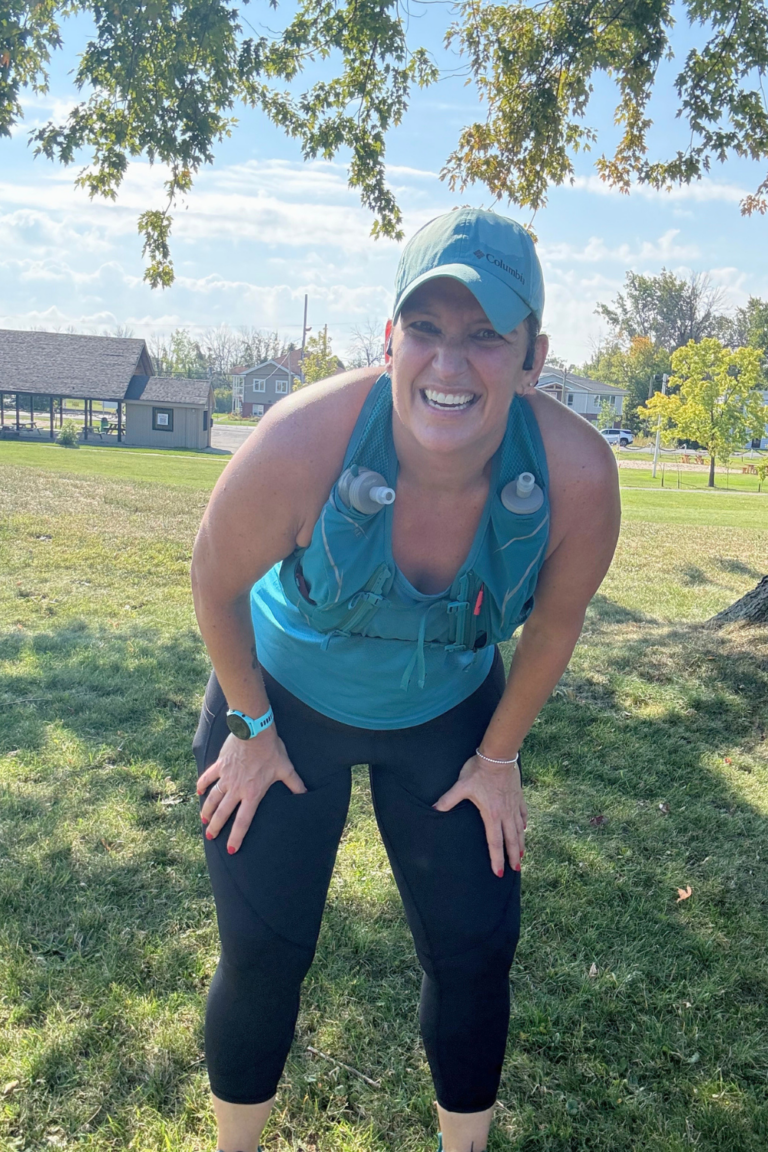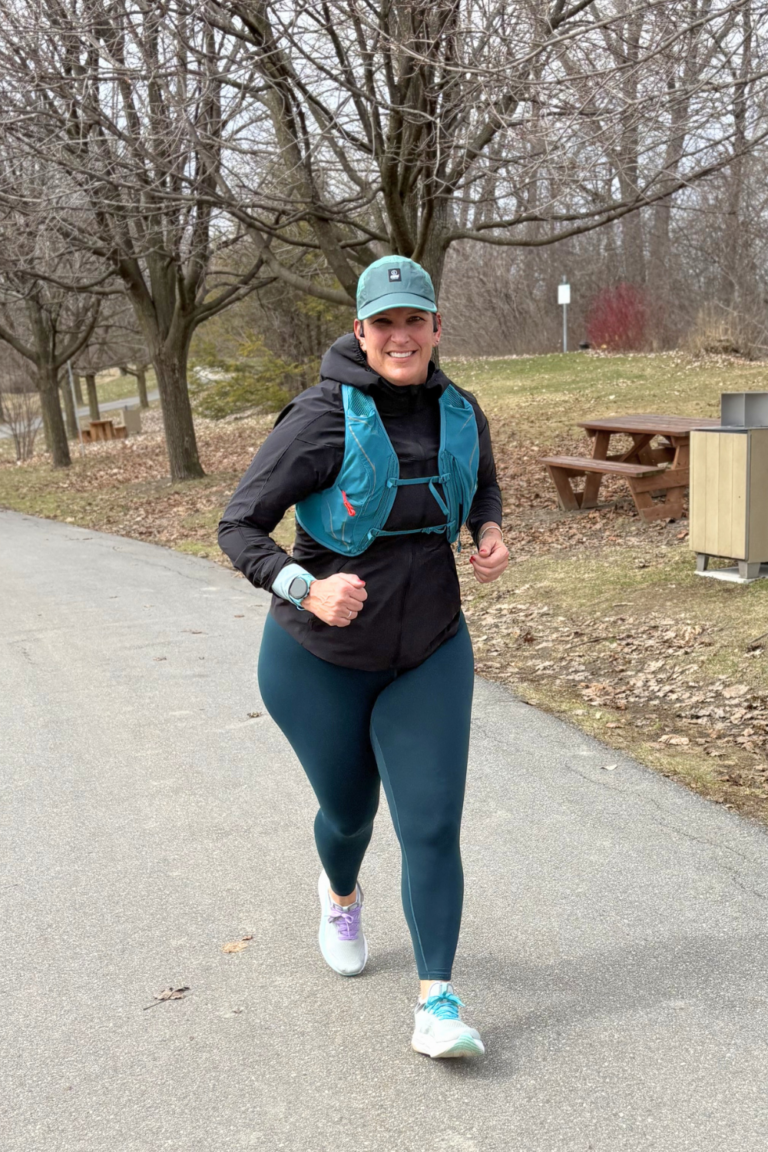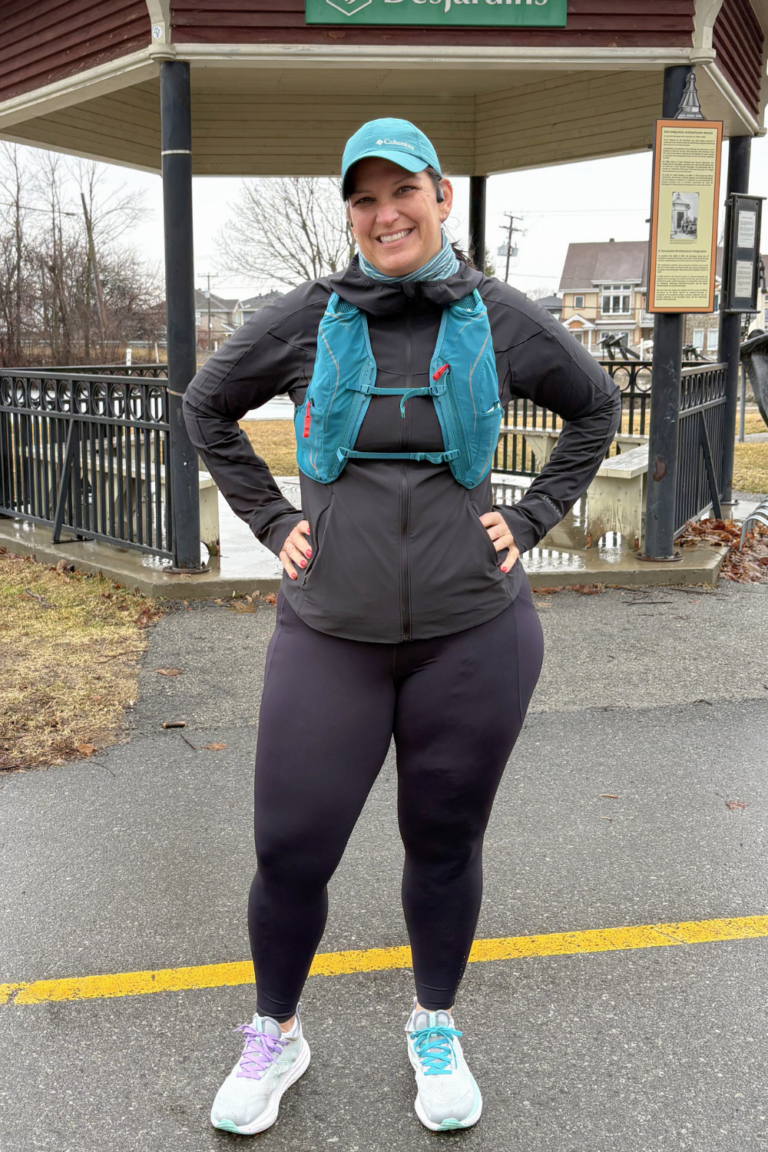
I just finished my 10K race. And honestly? A few months ago I wasn’t sure I’d ever say that sentence.
If you’ve been following along on Instagram, you know I started as someone who could barely run for a minute. I built up slowly, did the walk/run thing, ran my first 5K, then my first half marathon. And now I’m here, running a 10K with the same body, a new season, and a whole lot of belief in myself that I’ve had to build one run at a time.

So if you’re sitting there wondering if the 10K is for you, I want you to hear this: if you can run-walk a 5K, you are already more ready than you think.
This post is for you. The beginner. The curvy runner. The person who takes walk breaks and still calls themselves a runner, because that’s exactly what you are.
You are a runner when you run. Whether that’s 2K or 21K. The distance doesn’t make you a runner. The showing up does.
What’s Actually Different About a 10K vs a 5K
Let’s just name the thing: the 10K is twice the distance of a 5K. That sounds daunting. But here’s what most training plans don’t tell you: it doesn’t feel twice as hard. Not even close.
When you’ve been running consistently, your body adapts. Your lungs get more efficient. Your legs learn to carry you further. The first few longer runs will feel unfamiliar, but that’s not the same as impossible.
What actually changes:
- Your long runs get longer gradually, not all at once
- You’ll need to think about fueling once you’re out past 45-50 minutes
- The mental game matters more, because there are more minutes to fill with doubt
That last one is the real challenge for most of us. Your legs will probably be fine before your brain is. That’s normal, and I wrote a whole post on why running feels so hard if you want to go deeper on the mental side.
Before You Start: Are You Ready?
You don’t need to be fast. You don’t need to run the whole thing. Here’s what to look for:
- You can complete a 5K, even with walk breaks, without feeling completely wiped out afterward
- You’ve been running at least 2-3 times a week for the past few weeks
- You’re not currently dealing with an injury
That’s it. If those three things are true, you’re ready to start this plan.
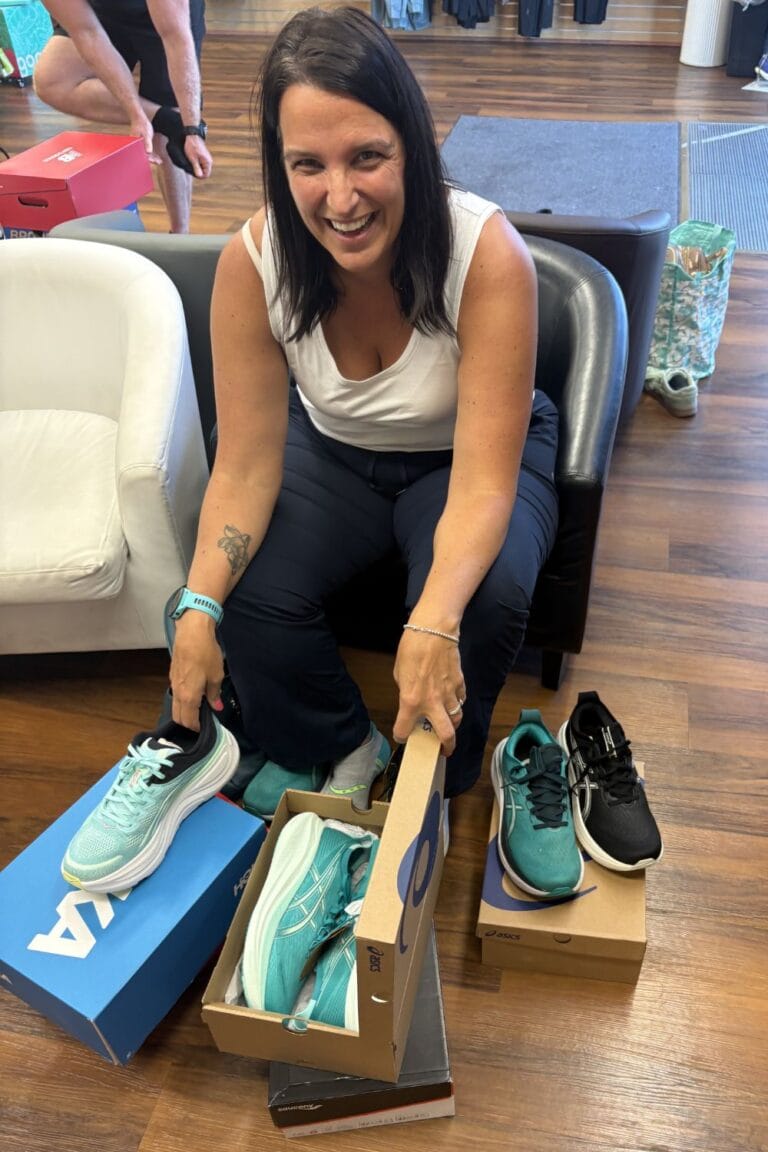
Before you ramp up your mileage, make sure your shoes are still working for you. Running further in the wrong shoes is where injuries sneak in. I have a full guide to the best running shoes for curvy and plus-size runners on the blog if you need a starting point. And if support is your biggest concern, my sports bra guideis worth a read too.
How This Plan Works
Three runs per week. That’s it. You will run on Tuesday, Thursday, and Saturday. Every other day is rest, walking, or light movement, and those rest days are not optional extras. They are where the adaptation actually happens.
Here’s the structure of each week:
- Tuesday: shorter run, easy effort. This is your “get the legs moving” run.
- Thursday: shorter run, same easy effort. Think of this as reinforcing Tuesday.
- Saturday: your long run. This is where you build the distance that gets you to 10K.
Every run in this plan is meant to be run at an easy, conversational pace. That means slow enough that you could say a full sentence out loud without gasping. If you can’t, slow down. There is no pace requirement here. Just forward motion.
Week 4 is a recovery week. The distances drop on purpose. Your body needs this to absorb everything it’s been doing. Don’t skip it and don’t add extra runs because it feels too easy. That is the point.
What If You Can’t Run the Whole Distance Yet?
That’s completely fine, and more common than you think. If a run feels like too much to tackle all at once, use a run/walk approach: run for a set amount of time, walk briefly to recover, then run again. A good starting point is running for 5 minutes and walking for 90 seconds, repeated for the full distance. As the weeks go on and your fitness builds, you can stretch the running segments. Try 7 minutes running with 60 seconds walking, then 10 minutes running with 60 seconds walking. The goal is to gradually need the walk breaks less and less, until you can carry the full distance without stopping. I have a full beginner run/walk plan on the blog if you want a structured way to build up. But even if you’re still using walk breaks at the start line, you are a runner. You will finish.
The goal of every run in this plan is to finish feeling like you could have done a little more. Not wiped out. Not gasping. Pleasantly tired. That is the right effort level.
Your 8-Week Training Calendar
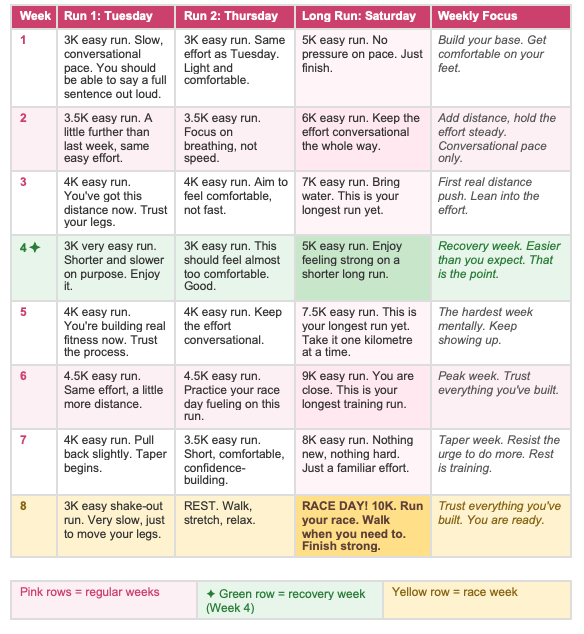
All distances are targets, not rules. Adjust based on how your body feels. A shorter run that you finish is always better than a longer one you abandon.
What to Do on Your Rest Days
Rest days don’t mean lying on the couch (unless you need that, in which case: go for it). Light movement on your off days actually helps recovery. I cover this in a lot more detail in my post on what to do after a run, and it’s worth a read as your distances start to climb.
- A 20-30 minute walk
- Gentle stretching or yoga
- Foam rolling if you have one: this is the one I use and love
- Literally just not running
The temptation to add extra runs will peak around weeks 5 and 6. Resist it. More is not always better, and this is especially true when you’re building distance for the first time.
How to Handle the Hard Runs
Weeks 5 and 6 are where most people mentally fall apart. You’re tired, the novelty has worn off, and the race still feels far away. If that’s where you are, my post on staying motivated when you really don’t want to run was basically written for this moment.
When a run goes sideways:
- Slow down. Slower than you think is reasonable. Your ego will survive.
- Take the walk break. Finishing with walk breaks is always better than not finishing.
- Remind yourself that a bad training run is not a sign you’re not ready. It’s just a bad run.
Walk breaks are not quitting. They are a strategy. They are how I ran my first half marathon. They are how thousands of runners cross finish lines every weekend. If a training plan or a brand makes you feel otherwise, that’s their problem, not yours.
Fueling for Longer Distances
When you’re running under 45 minutes, you can usually get away without thinking too much about fuel. Once your long runs push past that, things shift a little.
Before your run:
- Eat something small and easy to digest about 60-90 minutes before. More on what works in my post on what to eat before a run. Simple, no-diet advice.
- Hydrate the day before, not just the morning of.
During runs over 60 minutes:
- Consider a gel or chew around the 45-minute mark. I keep a running list of the gels and energy products I actually use in my shop if you need a starting point.
- For longer runs, a handheld water bottle or hydration belt makes a real difference, especially as the weather warms up.
- Practice your race day fueling during training so nothing is new on the day.
Race Week: What to Do (and What Not To)
Race week is not the week to squeeze in extra training. It is the week to arrive at your start line feeling rested, confident, and ready.
- Tuesday: one short easy shake-out run of about 3K. Very slow. Just to keep your legs loose.
- Wednesday, Thursday, Friday: rest. Walk if you want to. Don’t run.
- Saturday: race day.
On race day itself:
- Start slower than you think you need to. Every single time.
- Wear what you’ve trained in. Nothing new on race day.
- Walk breaks on race day are completely valid. There will be other people walking. You will all finish.
- The finish line feeling is worth every hard training run. I promise.
You Are Already a Runner
The 10K isn’t a test you have to pass to become a runner. You’re already a runner. This is just the next run, a longer one, with a bit more time on your feet, and a finish line you’re going to cross.
If you’re just starting out and not quite at the 5K stage yet, my beginner running plan is the place to start. And if you want to follow along as I train for my own 10K, come find me on Instagram. I share the real, unfiltered version of every training run.
Send me a message when you sign up for your race. Tag me when you cross that finish line. I genuinely want to know.
You’ve got this. One run at a time.