
Want to know how much water you actually need to drink while running? These are the hydration habits for beginner runners that changed everything once I started training for my half marathon.
For a long time, I never drank anything during my runs. I figured if I just powered through, I’d be fine. Then I’d wonder why I was struggling so much to run longer distances, often feeling inexplicably fatigued or even dizzy. It wasn’t until I started training for my half marathon that I actually learned about running hydration tips and realized how many mistakes I’d been making the whole time.
Once I fixed those mistakes, everything changed. I could finally run longer without that awful feeling like I was about to pass out. My muscles felt better, my energy was more consistent, and recovery became much smoother.
You’re going to learn how much water to drink before a run, whether you actually need to carry water during a run, when electrolytes for runners matter, and how to recover properly afterward. This post is all about hydration for beginner runners and how to unlock stronger, more enjoyable miles.
Understanding Your Individual Hydration Needs: It’s Not One-Size-Fits-All
Something nobody really explains is that your body size, fitness level, and even genetics affect how you regulate heat and lose fluid through sweat. More body surface often means more sweat, which can mean higher hydration needs than the standard advice assumes. This isn’t a flaw; it’s just physiology, and it’s worth knowing so you’re not chasing a plan that was never built for your body in the first place.
Every runner’s sweat rate and sweat sodium concentration are unique, influenced by factors like environmental temperature, humidity, exercise intensity, and individual physiology. For instance, well-trained runners often sweat more efficiently than less fit individuals as their bodies adapt to cooling themselves. A great way to get a better sense of your personal needs is to monitor your urine color throughout the day – light yellow or straw-colored usually indicates adequate hydration, while dark yellow suggests you need to drink more. For a more precise measure, you can even perform a sweat test by weighing yourself before and after an hour-long run.
Hydrating Before Your Run: Building a Solid Foundation
The best time to hydrate for today’s run was yesterday. Your hydration status going into a run depends a lot on how well you drank the day before, not just the ten minutes beforehand. Consistent daily hydration is key, not just “chugging” water pre-run.
Aim to drink consistently throughout the day to keep your fluid balance stable. Keeping a water bottle within arm’s reach all day – at your desk, in the car, next to the couch – makes a bigger difference than any pre-run chugging session ever could.
Adult women typically need about 91 ounces (11 cups) of fluid daily, while men require around 125 ounces (15 cups), including fluids from food and other beverages. Runners, especially on training days, generally need more.
In the couple hours before you head out, a normal glass of water with your pre-run snack is plenty. For longer runs or races, sports dietitians often recommend around 16 ounces of fluid two hours before, and another 6-8 ounces about 15 minutes prior to starting. The goal is to start your run well-hydrated, not with a sloshing stomach.
RELATED POST: What to Eat Before A Run For Beginners (Simple, No-Diet Fueling)
Hydrating During Your Run: Do You Need to Carry Water?
For runs under about 45-60 minutes, most beginners don’t need to carry water at all, especially in cooler weather. If you’ve hydrated well beforehand, your body’s stores should be sufficient. However, once you’re past that 45-minute mark, that’s when I personally switch to carrying water, and it’s also when having somewhere to stash gels or fuel starts to matter too.
For anything over 45-60 minutes, especially in warmer conditions or with high intensity, carrying fluids becomes crucial. Dehydration can lead to fatigue, muscle cramping, and even heat-related illness, significantly impacting your performance and safety.
How to Carry Water While Running: Gear Options
Choosing the right gear to carry your water depends on your run’s duration, intensity, and personal preference. Here are some popular options:
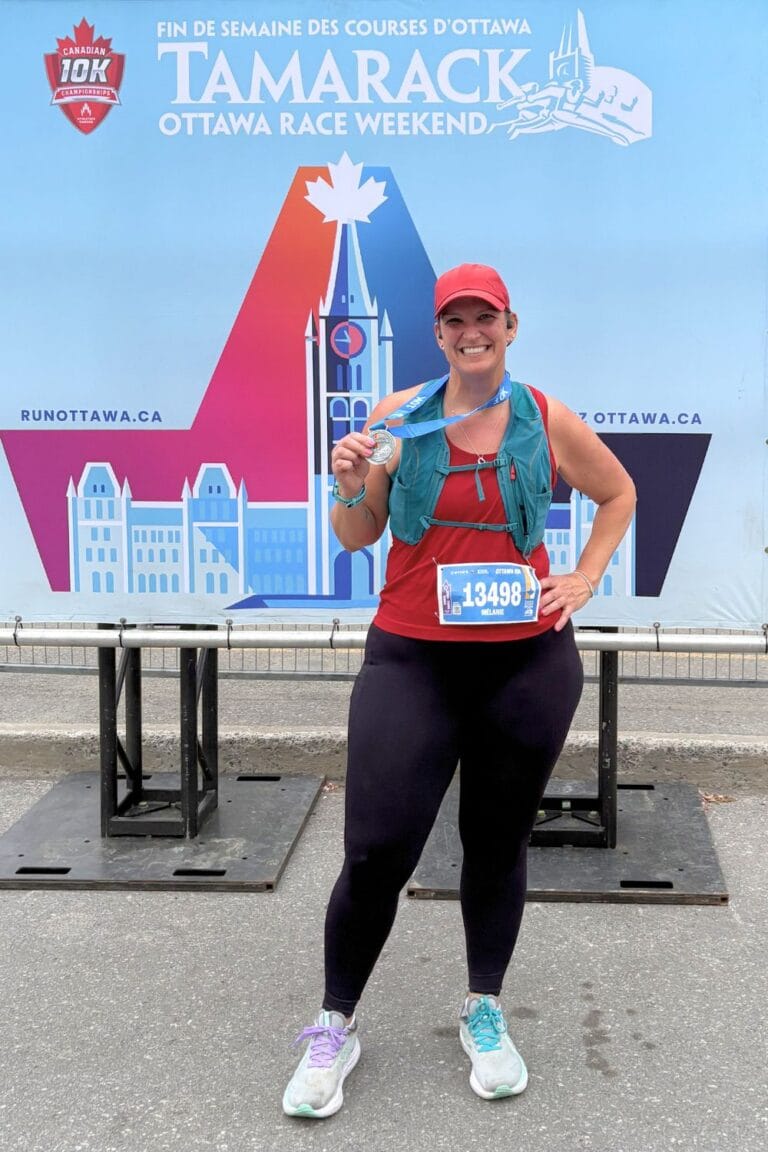
- Hydration Vest: For longer runs (over 45 minutes) where you might also need to carry gels, keys, or a phone, a hydration vest is excellent. It distributes weight across your chest and shoulders, minimizing bounce. Many vests come with soft flasks on the front and/or a bladder in the back, offering significant carrying capacity. I like it because it’s not just about the water; it also gives me somewhere to carry gels and other fuel, which matters once you’re out for longer stretches. It distributes everything across your chest and shoulders instead of your hands or hips, so it doesn’t feel like you’re lugging extra weight the whole way. I highly recommend using this hydration vest because it offers a bounce-free, incredibly comfortable fit.
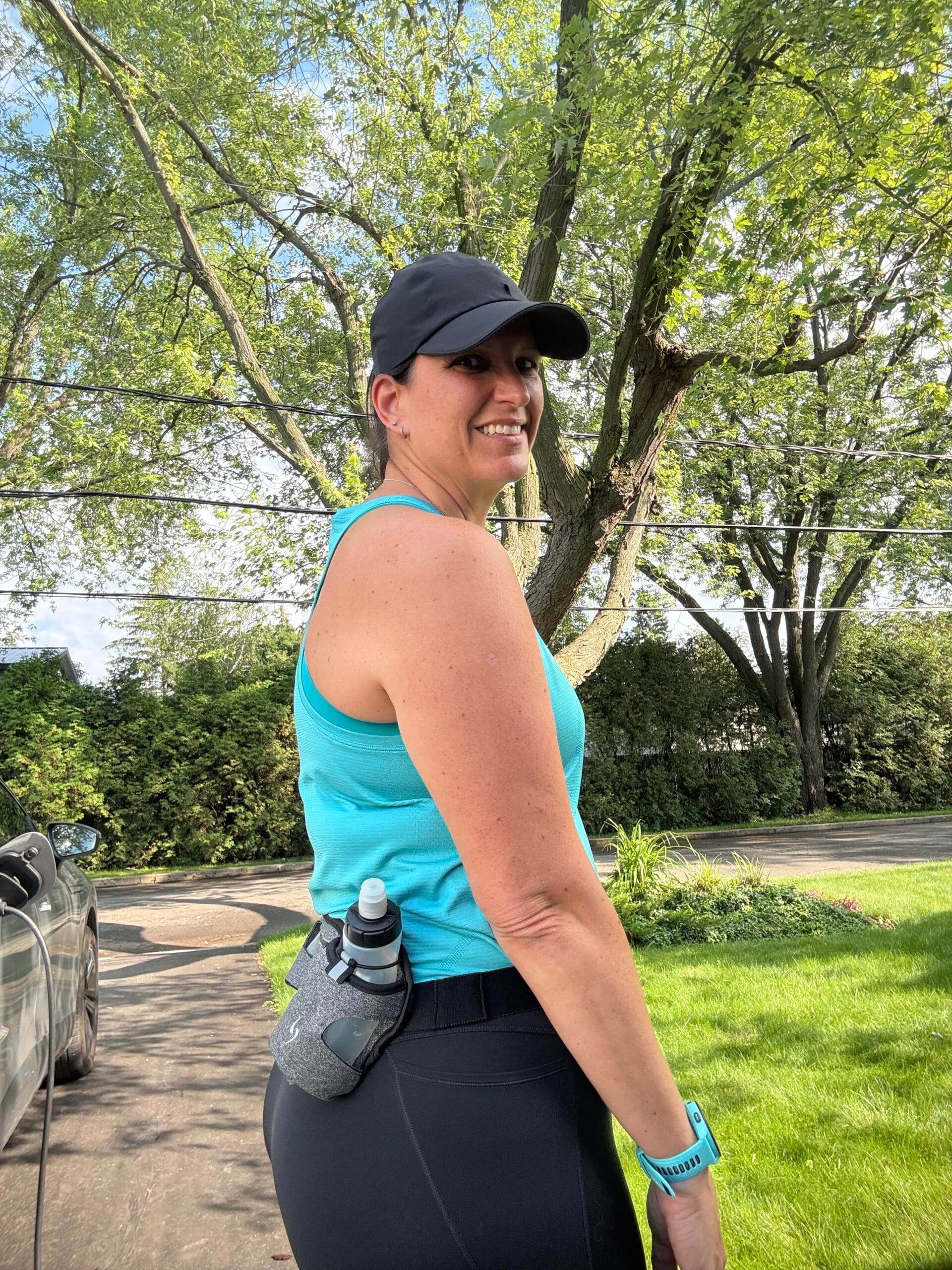
- Hydration Belt: If you want something lighter than a vest and don’t need to carry much fuel, a hydration belt is a great option. It holds a couple of small bottles without the bulk of a full vest. Look for designs that sit snugly and minimize bounce. This hydration belt is a fantastic, reliable option that stays put while you move.
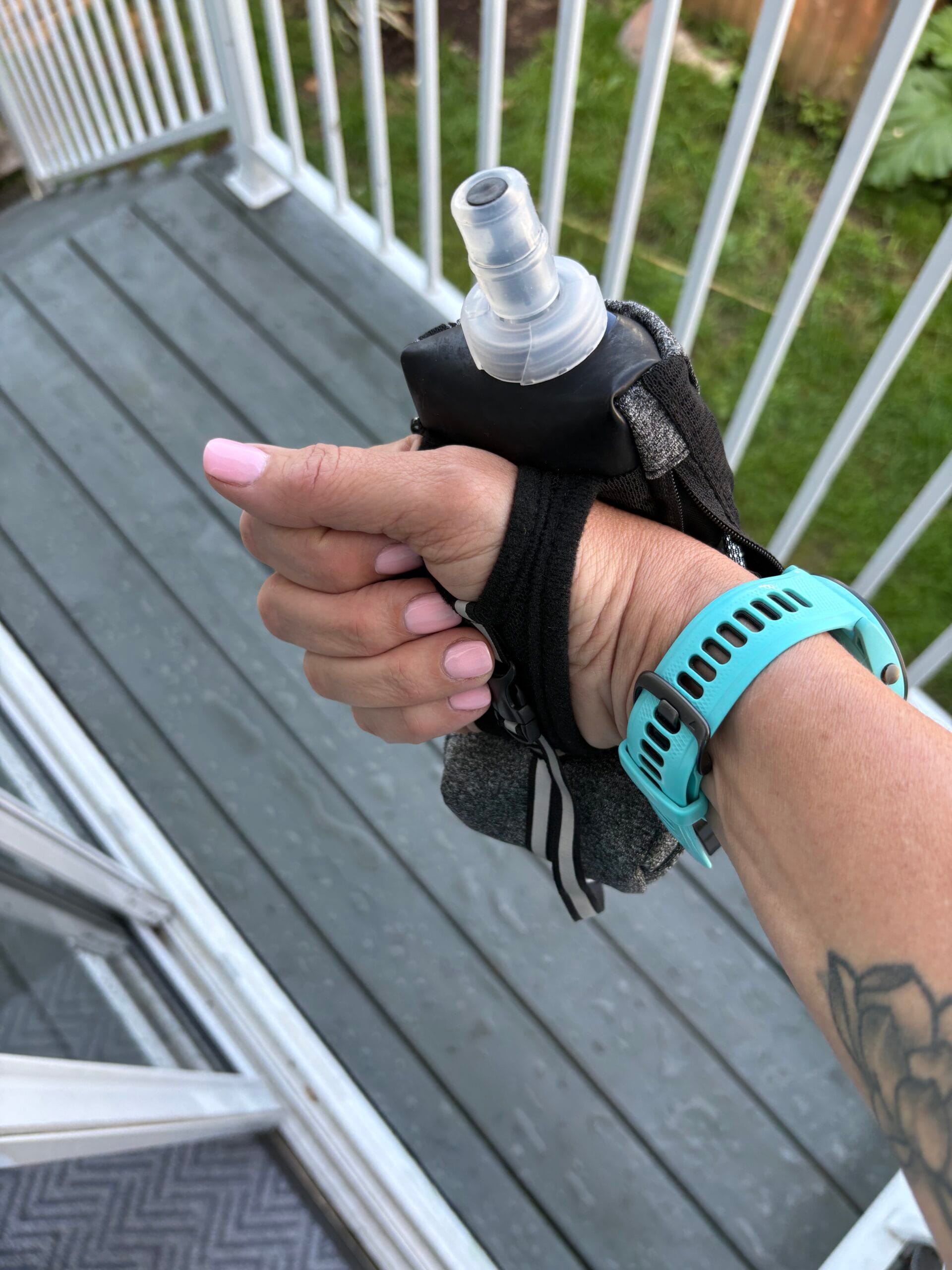
- Handheld Water Bottle: For shorter runs in the heat or when you just want water on hand for convenience, a handheld water bottle is an easy grab-and-go option. Many are ergonomically designed with straps to make carrying comfortable, so you don’t have to constantly grip them. I love this handheld water bottle because it is simple to hold and has just enough room for your quick run essentials.

Quick breakdown of what works when:
- Under 45 minutes: No water needed for most people, or a handheld bottle in hot weather.
- Over 45 minutes, want something lighter: Hydration belt.
- Over 45 minutes, want to carry gels or fuel too: Hydration vest.
Generally, aim for about 4-8 ounces of fluid every 15-20 minutes during your run, adjusting for weather and intensity.
Electrolytes for Runners: Do You Actually Need Them?
For most beginner runs, plain water is genuinely enough. Electrolytes for runners start to matter once you’re sweating heavily, running longer stretches (typically over 60-90 minutes), or running in the heat.
What are electrolytes and why do they matter? Electrolytes are essential minerals like sodium, potassium, magnesium, and calcium that help maintain fluid balance, regulate muscle contractions, and support nerve function. Sweat carries sodium and other minerals out of your body, and if you’re not replacing those, you can end up feeling foggy, dizzy, or crampy even when you’ve had plenty of water. Sodium is particularly important because it’s the primary electrolyte lost in sweat and plays a crucial role in preventing hyponatremia (dangerously low blood sodium levels).
If feeling foggy or crampy sounds familiar, an electrolyte mix or tablet added to your water on longer or hotter runs can make a noticeable difference in how you feel in the final stretch.
My absolute go-to recommendation is Nuun Sport Electrolyte Tablets. They are low-sugar, fizzy tablets that you just drop right into your water bottle. They taste amazing without being overly sweet, and they won’t make your stomach feel heavy while you run.
The American College of Sports Medicine (ACSM) suggests runners consume 300-600 milligrams of sodium per hour during runs lasting over 60 minutes. It’s wise to practice with electrolyte products during training to find what works best for your body.
Hydration After a Run: Replenishing and Recovering
Post-run hydration is the step most beginners skip, myself included for a long time. But it’s essential for replacing lost fluids and electrolytes, aiding muscle repair, and overall recovery.
Drink until your thirst is satisfied, then have a bit more alongside your post-run snack. A good guideline for post-run recovery is to replace 16-24 ounces of fluid for every pound of body weight lost during your run. If your urine is dark or you feel headachy later in the day, that’s usually a sign you needed more than you gave yourself.
Consider combining water with an electrolyte-rich recovery drink or snack. Chocolate milk, for example, offers carbohydrates, protein, and electrolytes, making it a popular choice for recovery. Salted snacks or meals can also help replenish sodium levels lost through sweat.
RELATED POST: What to Do After a Run (A Beginner Routine That Really Helps You Recover)
Practical Tips for Consistent Hydration Habits
This post was all about hydration for beginner runners, and the biggest takeaway is that it doesn’t need a complicated formula. It needs consistency throughout your day, a little extra attention on longer or hotter runs, and gear that actually fits your body instead of fighting it.
Remember, you’re a runner whether you’re sipping water from a battered bottle on your kitchen counter or wearing a hydration vest on a ten-mile route. Prioritizing your hydration will help you feel better, run stronger, and enjoy your running journey for years to come.
OTHER POSTS YOU MAY LIKE
- What to Eat Before A Run For Beginners (Simple, No-Diet Fueling)
- What to Eat During a Run (A Beginner’s No-Fuss Guide to Mid-Run Fueling)
- 5K to 10K Training Plan for Curvy Runners: A Realistic 8-Week Plan