A Body‑Positive Guide for Curvy Women
How to start running as a beginner is one of the questions I get in my DMs almost every week. And it’s usually not just about running.
It’s “I’m too out of shape.”
“I get out of breath so fast.”
“I feel too heavy to run.”
“Maybe running just isn’t for my body.”
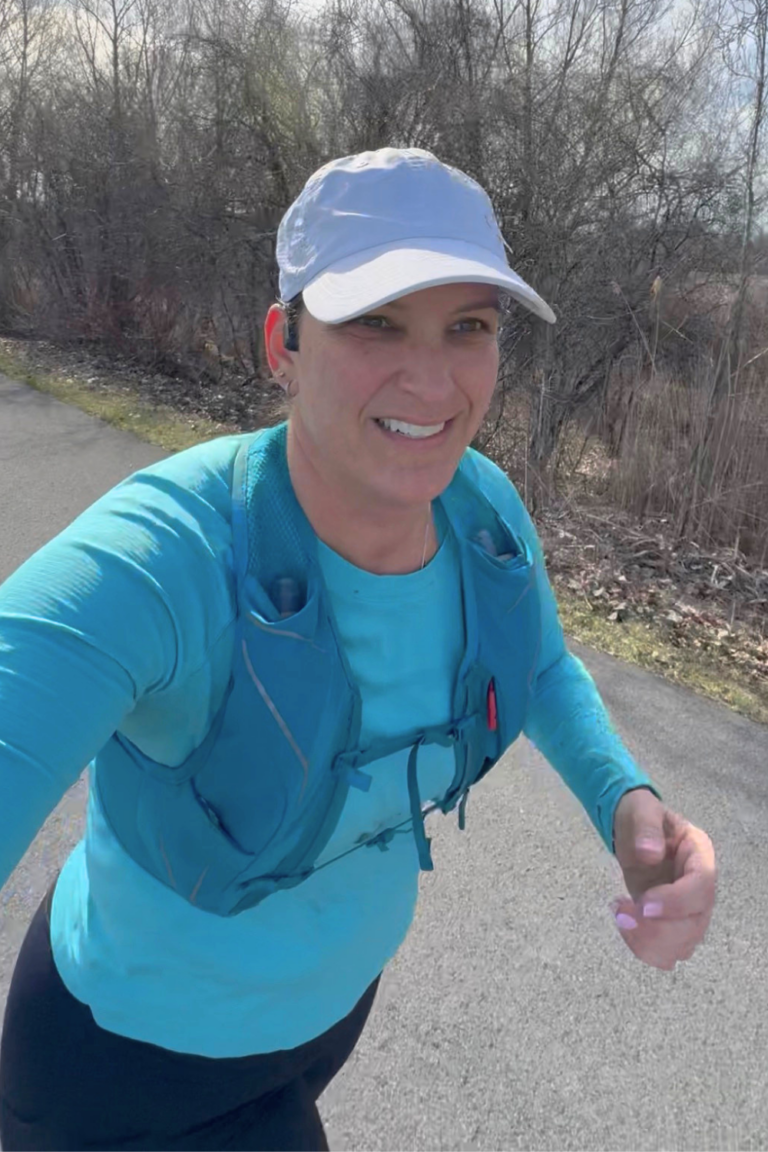
I know that feeling because that was me in 2022. I couldn’t run for a full minute without stopping. Sixty seconds felt impossible. I felt slow, awkward, and completely out of place.
But instead of waiting to look like a runner, I decided to start like myself.
I focused on small, realistic goals that respected my body and my energy. One minute at a time. That decision changed everything.
This post is all about how to start running as a beginner, even if you feel completely out of shape.
You Don’t Need to Be Fit to Start Running
One of the biggest myths about running is that you need to be fit before you begin. The truth is that running is what builds fitness, not something you earn access to later. You don’t need a certain body type, a fast pace, fancy gear, or any athletic background.
You only need the willingness to start slow and show up consistently. Many beginners quit early because they think they’re doing it wrong, when in reality they’re simply doing too much too soon.
How to Start Running as a Beginner Without Feeling Overwhelmed
The most important step when learning how to start running as a beginner is choosing a goal that feels manageable, not impressive.
- Start With a Simple Run-Walk Plan
When I started, I followed this:
Run for one minute
Walk for two minutes
Repeat for twenty minutes
That’s it.
The run-walk method lowers injury risk, builds endurance gradually, and helps you feel successful from day one.
Walking is not quitting. Walking is training.
Consistency matters more than speed.
2. Run 2–3 Times Per Week
Two to three runs per week is perfect for beginners.
More is not better in the beginning. Your body needs recovery time to adapt. Rest days are where progress actually happens.
Spacing out your runs makes the habit sustainable. And sustainability is what turns beginners into runners for life.
3. Slow Down More Than You Think
If you can’t speak in short sentences while running, you’re likely going too fast.
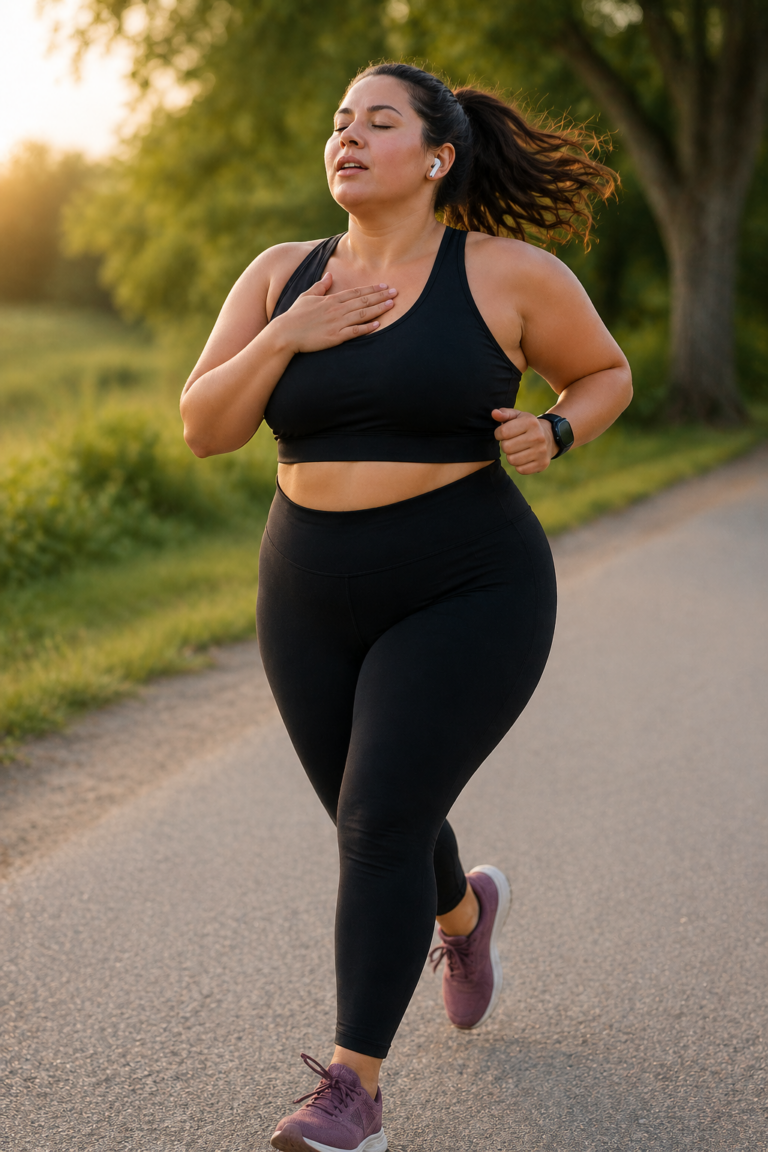
Beginner runs should feel controlled and conversational. You do not need to be gasping for air to “count.”
Slow running:
• Builds endurance
• Reduces injury risk
• Boosts confidence
Fast can come later. Right now, slow is powerful.
What to Wear When You’re Starting Running
You don’t need to overhaul your closet to become a runner.
You do need to feel comfortable and supported.
Start with pieces that stay in place — nothing that rubs, rolls down, digs in, or makes you adjust yourself every few minutes. If you’re thinking more about your leggings than your run, they’re not the right ones for you.
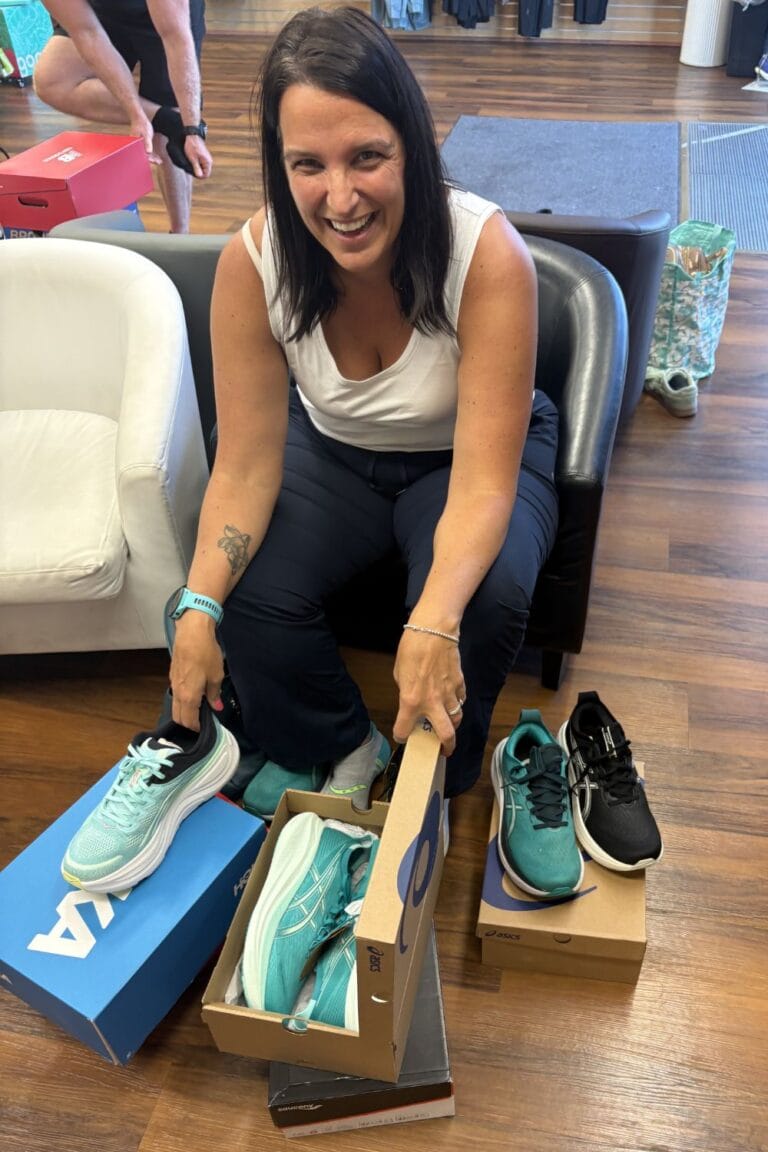
A good pair of supportive running shoes is your most important investment. Everything else can stay simple. Focus on how the fabric feels on your body and whether you can move freely and confidently.
If you want more guidance specifically for running in a bigger body, I break it down in detail here:
What to Wear Running in a Bigger Body
If you’re just starting out, these beginner-friendly essentials can make your journey easier and more comfortable:
- 👟 Supportive Running Shoes for Beginners
- 👚 High-Impact Supportive Sports Bra
- 🧴 Anti-Chafing Balm
- 👖Leggings that don’t roll-down
Fuel Your Body for Beginner Runs
Running is not a punishment for what you ate.
It’s movement that deserves fuel.
Before a run, something small like toast, a banana, or half a bagel can help you feel stronger. After your run, eat something nourishing with protein and carbs to support recovery.
Fueling helps you feel energized instead of depleted.
Want a Simple Plan to Follow?
If you’d like a longer, step-by-step plan to follow, you can download my free Beginner Running Guide, which includes a 60-day run/walk program designed for beginners who want a realistic approach.
Expect It to Feel Hard at First
Running will likely feel hard in the beginning.
You’ll breathe heavier than expected.
You’ll take lots of walk breaks.
Your legs might feel sore.
You may doubt yourself.
All of this is normal.
It doesn’t mean you’re bad at running. It means your body is learning something new.
Progress happens quietly, one run at a time.
Stop Comparing Yourself to Other Runners
Comparison almost made me quit.
I used to compare myself to other beginners who started after me but were already running faster and longer. I felt like I was failing.
But running is not you versus them.
It’s you versus you.
If you showed up today, you’re doing it right.
You Don’t Have to Look Like a Runner to Be One
There is no single runner body.
Runners are slow.
Runners are curvy.
Runners take walk breaks.
Runners start in their 40s and 50s.
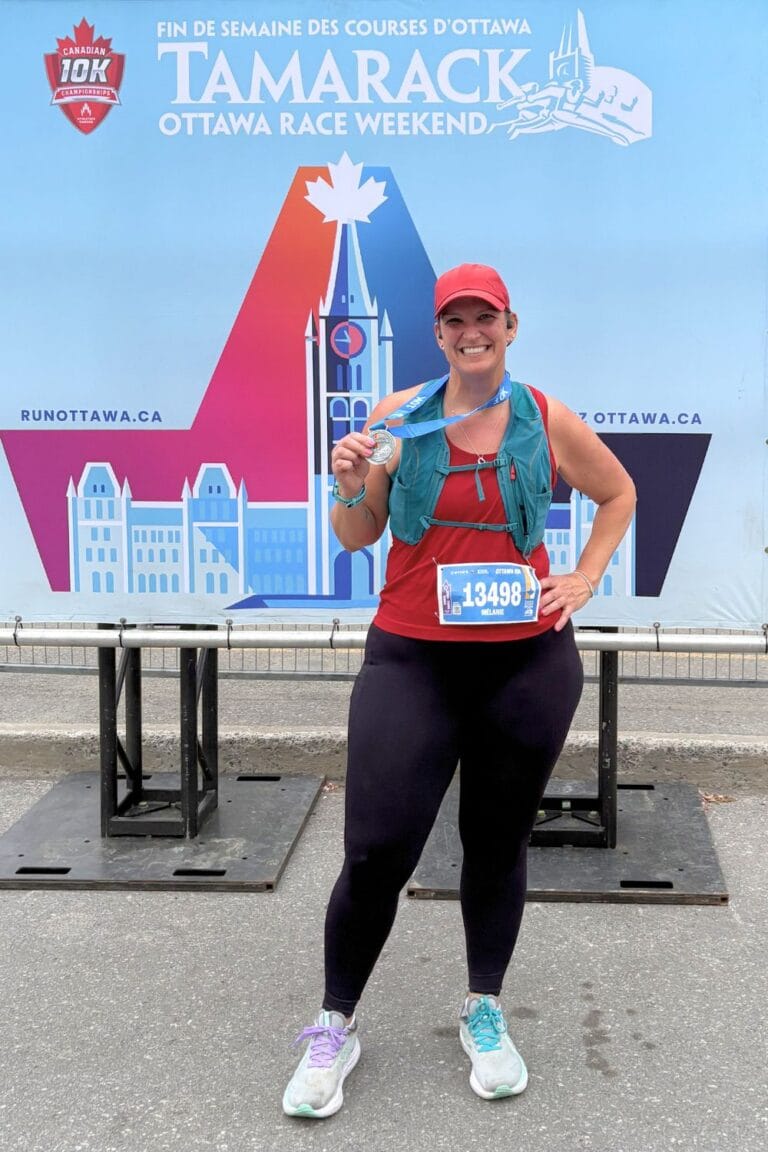
If you run, even slowly, you are a runner.
You are allowed to take up space on the path, the track, and the road.
Final Thoughts
If you’ve been waiting to feel ready or in shape enough, stop waiting.
Start small.
Start slow.
Start imperfectly.
You don’t need to change your body to start running.
You just need to begin.
This post was all about how to start running as a beginner, even if you feel completely out of shape.
If you’re ready to keep going but don’t want to guess what to do next, check out my Free Beginner Running Guide that includes a 60-day run/walk program to help you stay consistent and confident. It’s simple, flexible, and designed for beginners who want support without pressure.