Knowing what to eat before a run can feel confusing when you’re a beginner. There’s so much advice online — eat this, don’t eat that, run fasted, avoid carbs — and suddenly something meant to support your run feels stressful.
If you’re just getting started, here’s the most important thing to know: your body needs fuel. Running isn’t something you do to earn food. It’s movement that deserves support.
If you’re brand new to running, it may also help to start with the basics. I walk through that step by step in my guide on how to start running as a beginner, even if you feel completely out of shape.
This post is all about what to eat before a run for beginners, using simple, realistic fueling ideas that help you feel better — not restricted.


Do Beginners Really Need to Eat Before a Run?
For most beginners, the answer is yes.
Running uses energy, and when your body doesn’t have enough of it, runs often feel harder than they need to. Low fuel can show up as dizziness, nausea, shaky legs, or feeling completely exhausted early into your run.
You don’t need a full meal, but a small snack can make a noticeable difference in how your run feels.
When Should a Beginner Eat Before Running?
Timing matters just as much as what you eat.
As a general guideline:
- Eat 1–2 hours before your run if you’re having a small meal
- Eat 30–60 minutes before your run if you’re having a light snack
There’s no perfect timing. Everyone digests differently, and part of being a beginner runner is learning what works best for your body.
What to Eat Before a Run for Beginners
For beginner runners, carbohydrates are your main source of energy. They help prevent that heavy, drained feeling and support steady movement.
Simple, beginner-friendly options include:
- A banana
- Toast with peanut butter
- A bagel or half a bagel
- Yogurt
- A granola bar
- Applesauce
You don’t need specialty products or “runner foods.” Everyday foods you already enjoy often work best.
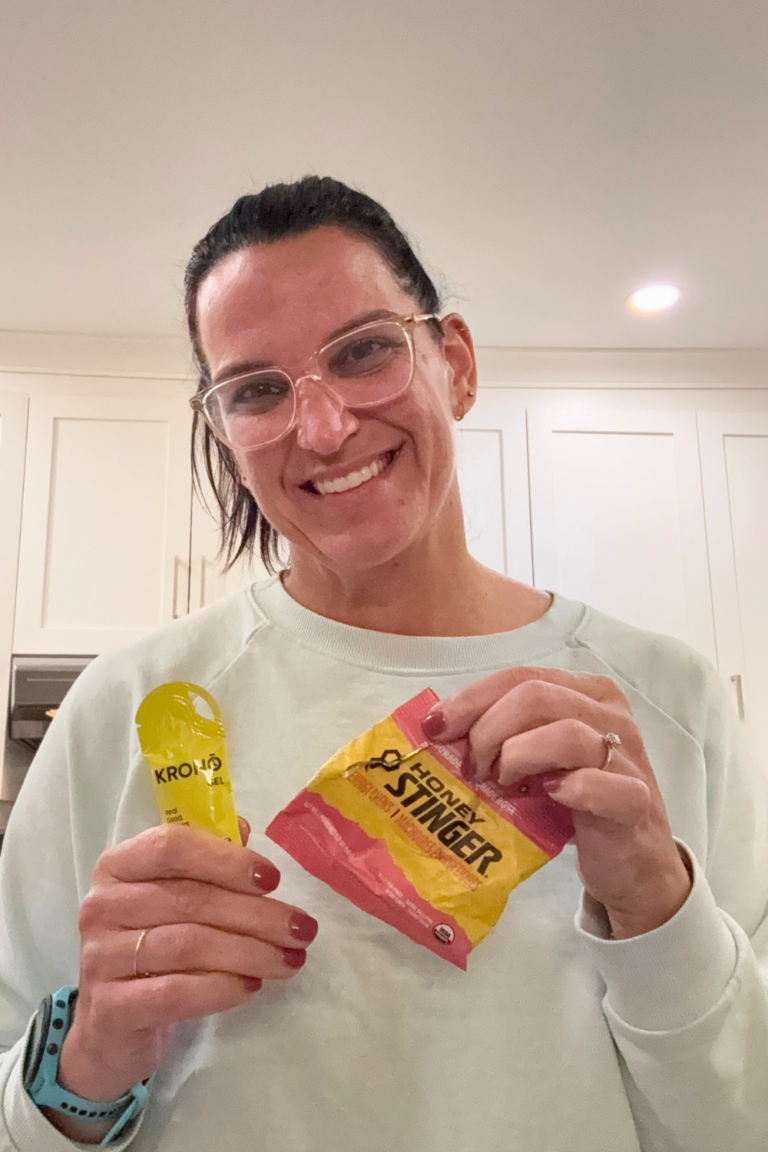
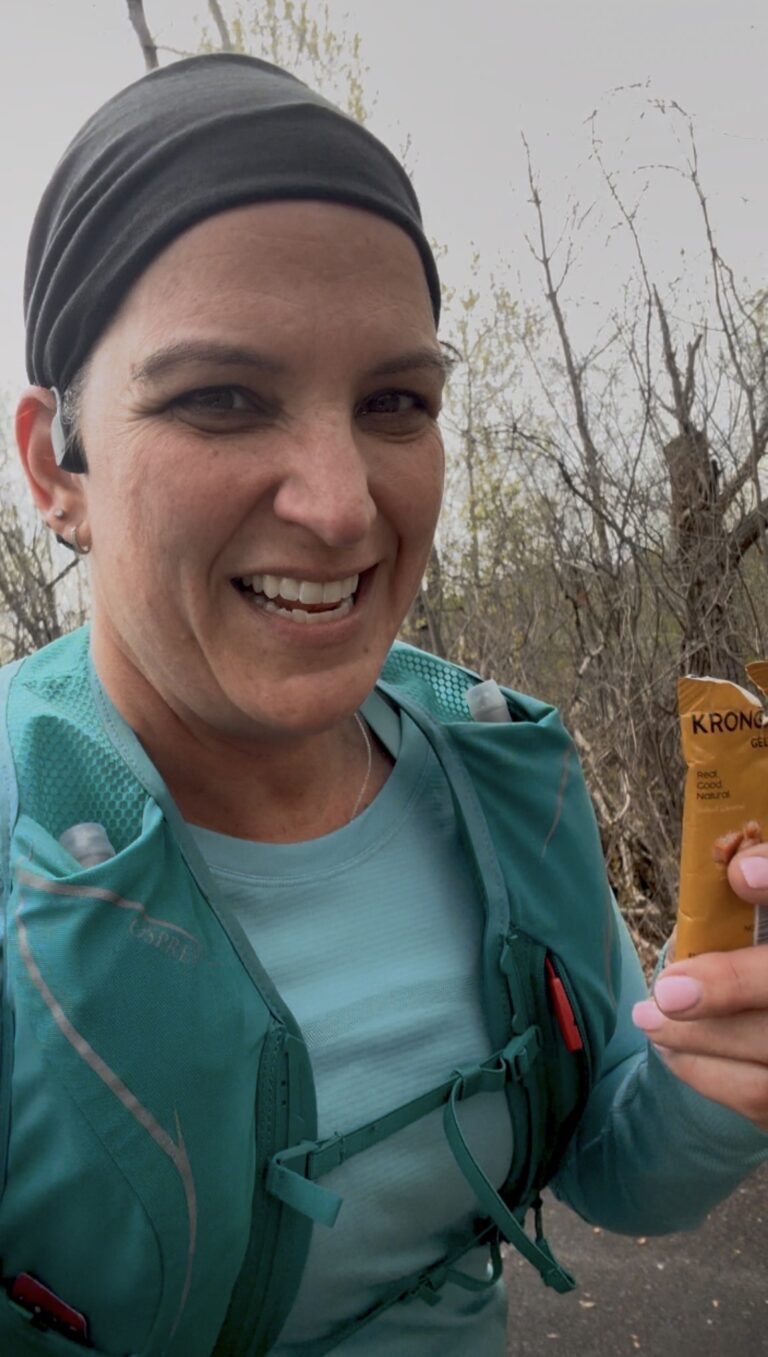
Do Beginners Need Energy Gels?
This is a question I get a lot, so let’s clear it up.
As a beginner, you do not need energy gels.
Gels are typically used for longer runs or races once you’re running for extended periods of time. If your runs are under about 60 minutes — especially if you’re using a run/walk method — your body can get the energy it needs from regular food eaten beforehand.
If you’ve ever felt pressure to buy gels because you see other runners using them, know that they’re not necessary at this stage. Simple snacks like a banana or toast are more than enough to support your runs right now.
What If You’re Not Hungry Before a Run?
This is very common, especially if you run in the morning.
If you’re not hungry, try something small and easy to digest, like half a banana, a few crackers, or a sip of a smoothie. Even a little fuel can help your body feel more supported.
If running completely fasted consistently leaves you feeling dizzy or exhausted, that’s a sign your body likely needs more fuel.
Foods That May Feel Uncomfortable Before Running
There are no bad foods, but some options may feel uncomfortable right before running, especially when you’re just starting out.
You may want to be cautious with:
- Very heavy or greasy foods right before running
- Large meals close to your run
- Foods you already know don’t sit well in your stomach
This isn’t about restriction — it’s about noticing what helps you feel your best.
What to Drink Before a Run
Hydration matters, even for short runs.
Before running:
- Drink a glass of water
- Sip water if you feel thirsty
For beginner runs, water is usually enough. Sports drinks and electrolytes aren’t necessary unless you’re running longer, in extreme heat, or sweating heavily.
Fueling and Beginner Running Plans
Fueling works best when it supports a realistic running routine.
If you’re following a run/walk approach, having enough energy can make transitions feel easier and help you stay consistent. I share a full breakdown of this approach in my beginner running plan using the run/walk method, which pairs well with simple fueling habits.
If you’re still figuring out how often to run and how to structure your week, my post on how often a beginner should run can help you build a schedule that supports recovery and confidence.
You Don’t Need to Fuel Perfectly
This part matters.
You don’t need:
- A perfect nutrition plan
- Supplements or gels
- Strict food rules
Fueling is something you learn over time. Some runs will feel better than others, and that’s completely normal. The goal is support, not perfection.
Want a Simple Beginner Plan That Includes Fueling?
If you like having guidance laid out for you, I created a free beginner running guide with a 60-day run/walk program designed to help you stay consistent and supported as you build your running habit.
https://www.canva.com/design/DAG7DZqf6OY/wchqt35NfCWQ5oPQ2Vou7g/edit
Final Thoughts
What to eat before a run for beginners doesn’t need to be complicated. A simple snack, eaten with kindness toward your body, can make running feel more enjoyable and less exhausting.
Fuel without guilt. Skip the gels for now. Listen to your body. And remember — running is not about earning food. It’s about moving in a way that feels supportive and sustainable.
This post is all about what to eat before a run for beginners and how to fuel your runs in a simple, realistic way.