
I never believed running was for me. I’ve been overweight most of my life, and for a long time, I thought running belonged to a different kind of body, thinner, faster, more athletic bodies. Not mine.
Running felt intimidating, exposed, and honestly… impossible.
I didn’t grow up loving sports. I never felt confident in gym class, and I never once looked at runners and thought, that could be me. For years, I told myself the same story: running just wasn’t for people like me.
But one day, I decided to try anyway.
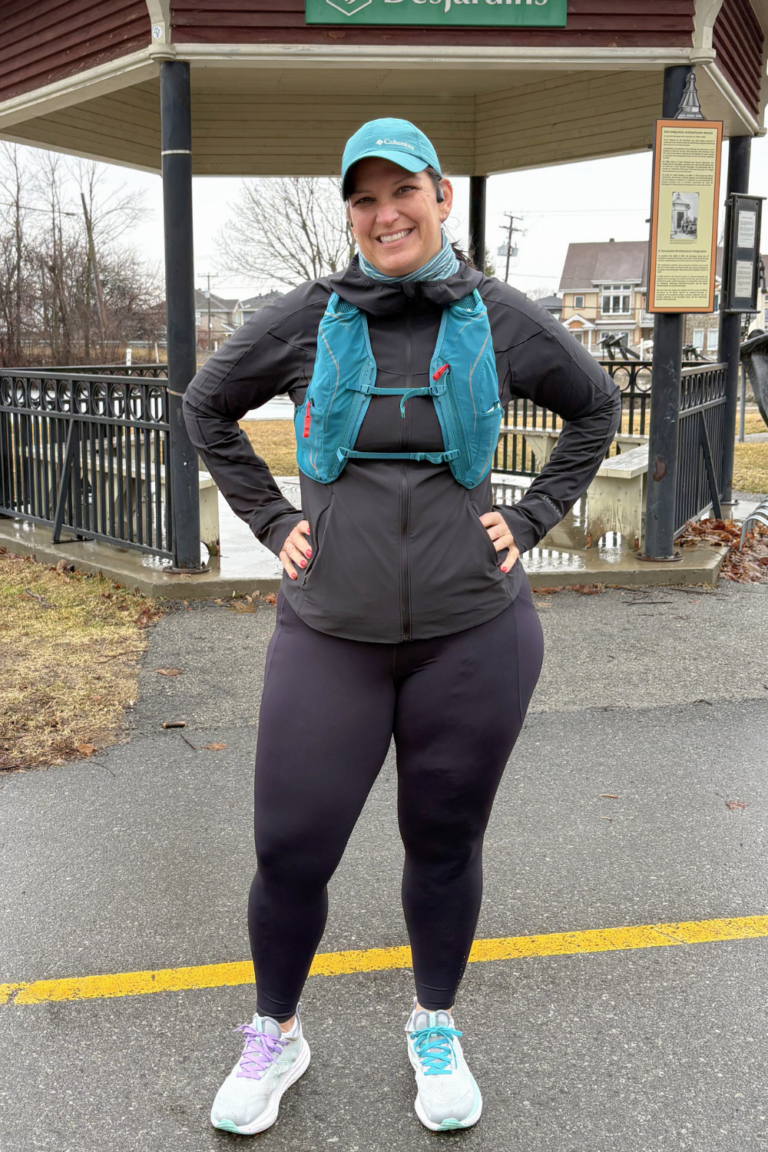
This post is about my curvy runner journey, starting from zero, using walk/run intervals, and continuing to show up even when I doubted myself.
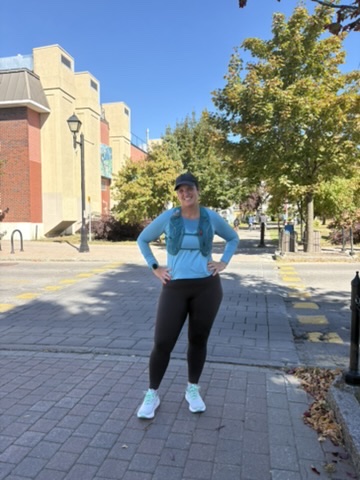
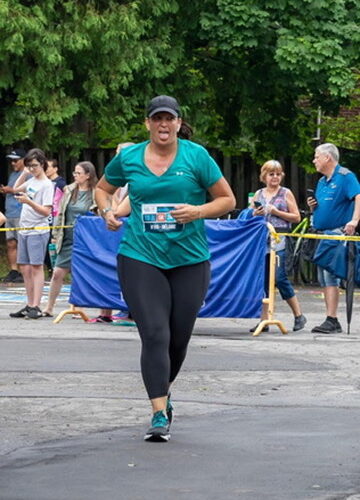
Starting From Zero (And Feeling Like I Didn’t Belong)
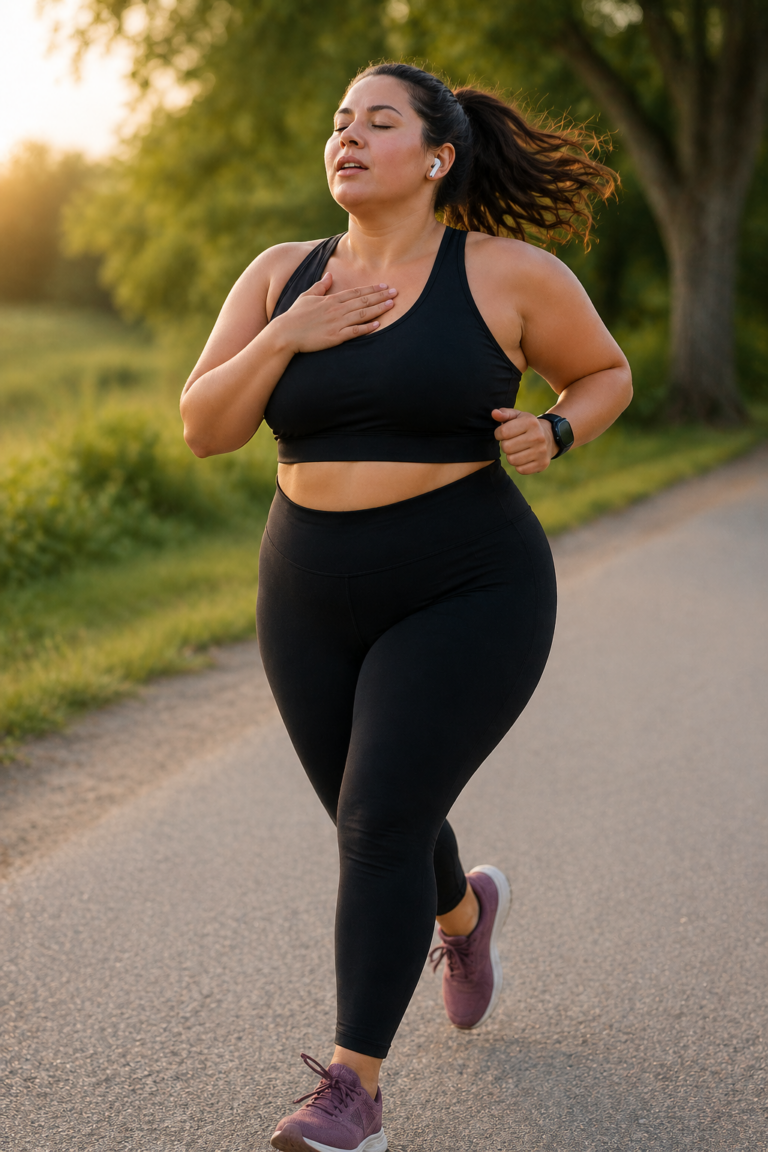
When I first started running, I was out of shape and unsure of myself. I couldn’t run for more than a minute without stopping. My breathing felt heavy, my legs felt awkward, and my confidence was fragile.
Every run felt vulnerable.
I worried about being watched. I worried about being slow. I worried about what my body looked like while I ran. Most days, the hardest part wasn’t the run itself — it was convincing myself to step out the door.
At that stage, I wasn’t chasing distance or pace. I was just trying to survive short run intervals without quitting. Even one minute of running felt like an accomplishment.
That was my real starting line.
If this sounds familiar, I walk through those early steps in my guide on how to start running as a beginner, exactly the way I wish someone had explained it to me.
Why Walk/Run Changed Everything for Me
I didn’t start by running nonstop. I used walk/run intervals — because I had to.
At first, the walk breaks weren’t optional. They were necessary. But over time, I realized something important: those walk breaks were the reason I kept going.
They gave my body time to adapt and my mind permission to continue. Slowly, the running intervals became a little longer, and the walking became a little shorter. Progress didn’t happen overnight — but it did happen.
That approach is exactly why I recommend the beginner running plan using the run/walk method to anyone starting out. It meets you where you are instead of asking you to be someone you’re not yet.
Setting My First Goal: A 5K
Eventually, I stopped focusing only on surviving each run and set my first real goal: run a 5K.
Not fast.
Not perfectly.
Just finish.
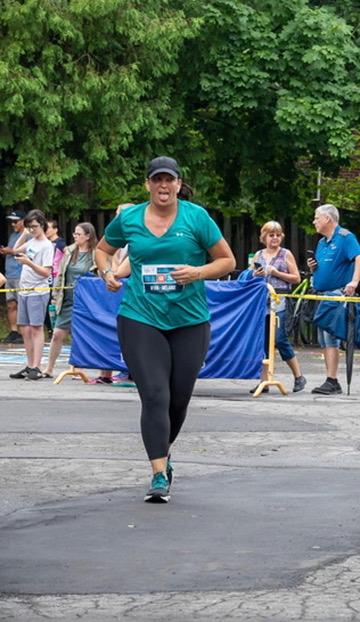
Training for that 5K gave my runs purpose. Every walk/run session felt like a step toward something I once believed was impossible. When I crossed that finish line, something shifted.
I didn’t just finish a race — I changed the way I saw myself.
From 5K to 10K — Building Belief
After my 5K, I did something I never thought I would do.
I set another goal.
A 10K.
I still wasn’t fast. I still took walk breaks. I still doubted myself sometimes. But I showed up. Again and again.
Each distance taught me something new — patience, resilience, and the power of consistency over perfection.
This is also when I really learned that slow running is still running, and that pace doesn’t define effort or progress.
My First Half Marathon (And the Hardest Thing I’ve Ever Done)
This past year, I did the hardest thing I have ever done in my life.
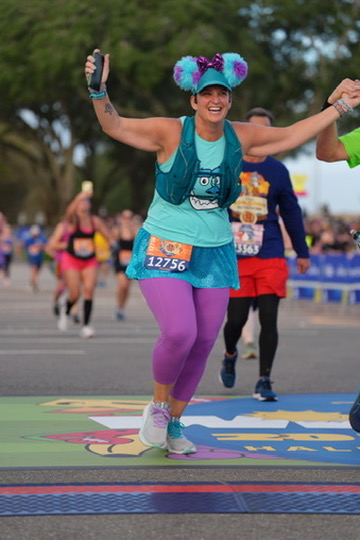
I ran my first half marathon at Disney.
It challenged me in every possible way — physically, mentally, and emotionally. There were moments I wanted to stop. Moments I questioned why I signed up. Moments where every step felt heavy.
But I kept going.
I wasn’t the fastest runner out there.
Not even close.
But I finished.
And that’s what matters.
Crossing that finish line wasn’t about time or pace. It was about everything it took to get there — the early mornings, the self-doubt, the walk breaks, the training runs where I questioned myself but showed up anyway.
That finish line represented years of growth, courage, and belief.
Learning to Let Go of Comparison
Comparison was one of my biggest struggles throughout this journey.
I compared my pace. My body. My progress. I constantly felt behind — even when I was doing something incredibly hard.
Eventually, I realized that no one else’s journey had anything to do with mine. The only thing that mattered was whether I kept showing up.
Running became less about proving something and more about honoring myself.
What Being a Curvy Runner Means to Me Now
Being a curvy runner doesn’t mean I run a certain pace or look a certain way.
It means I show up.
It means I listen to my body.
It means I take walk breaks when I need them.
It means I fuel myself without guilt.
It means I celebrate finishing — not comparing.
Running became something I get to do, not something I force myself through.
Why I Share My Curvy Runner Journey
I share my story because I know how lonely and intimidating starting can feel.
If you’re at the beginning, wondering if running is for you, I want you to know this: you don’t need confidence to start. Confidence comes from starting.
If you want guidance that removes guesswork, my free beginner running guide with a 60-day run/walk program is designed to support you gently, exactly where you are.
Final Thoughts
I didn’t become a runner by changing my body.
I became a runner by showing up as I was.
Overweight.
Out of breath.
Taking walk breaks.
Trying again.
I ran a 5K.
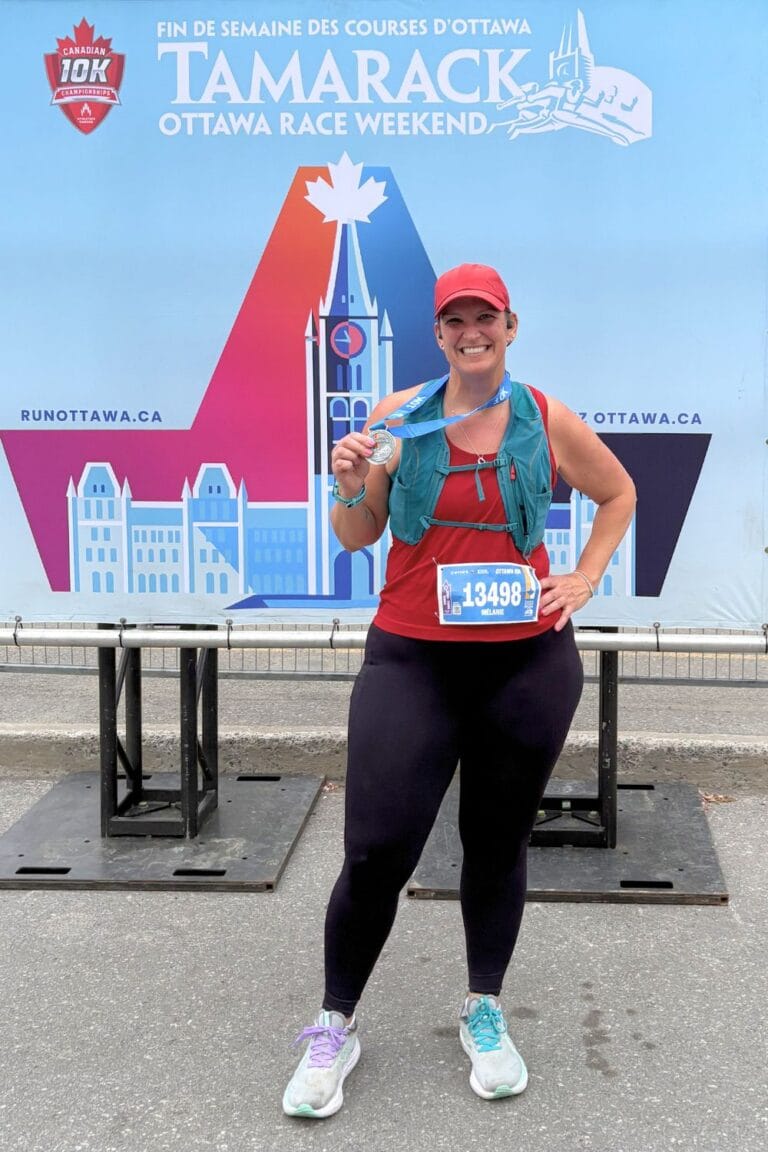
Then a 10K.
Then I finished my first half marathon.
And this is just the beginning.
If you’re here reading this, maybe your journey starts now too !

I just want to say you are inspiring me. I have tried so many times to become a real runner, but I often give up after a few months. Feeling that it takes too time to get into shape, and it feels like a struggle for too long. But now I have been running 3 times a week for 12 weeks, and finally I start to feel the change. I have signed up for a 10k run in London in April 💪🤞😎. I’m curvy and 54 years old.